100 Oraciones Con Adjetivos En Inglés

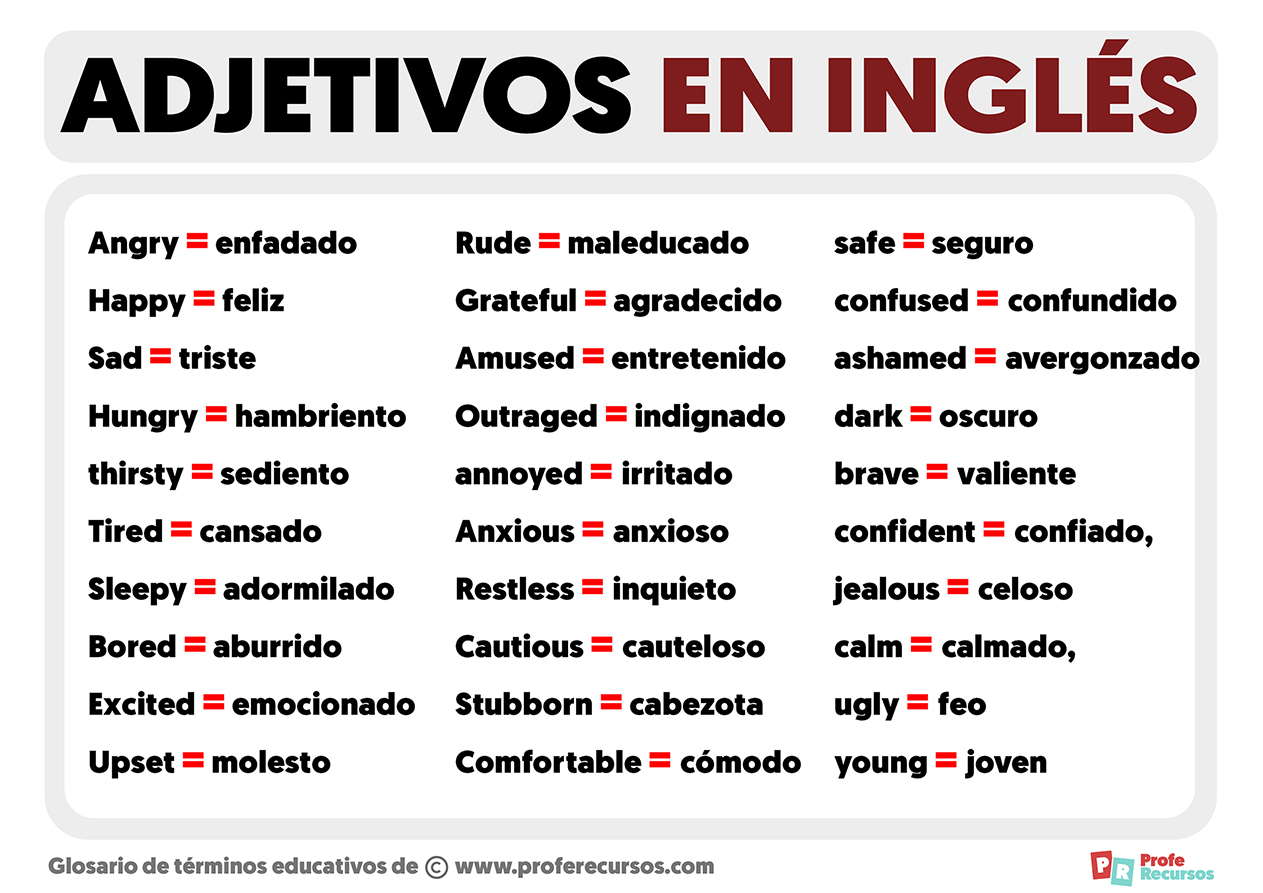
¡Hola, colegas educadores! Aquí les presento una guía práctica para enseñar adjetivos en inglés, con 100 ejemplos listos para usar en el aula.
¿Cómo Explicar los Adjetivos en Inglés?
Comiencen con la definición básica: un adjetivo describe un sustantivo. Expliquen que los adjetivos nos dan más información sobre personas, lugares o cosas. Usen ejemplos sencillos como "the red car" o "a tall building".
Recuerden enfatizar la posición del adjetivo. En inglés, generalmente va antes del sustantivo. Por ejemplo, "a beautiful flower" en lugar de "a flower beautiful". Expliquen que existen excepciones, especialmente con verbos como "to be" ("The sky is blue").
Must Read
Dividan los adjetivos en categorías. Algunos describen color (blue, green, yellow). Otros describen tamaño (big, small, huge). Otros describen forma (round, square, triangular). Esta clasificación ayuda a los estudiantes a organizar la información.
100 Oraciones con Adjetivos en Inglés
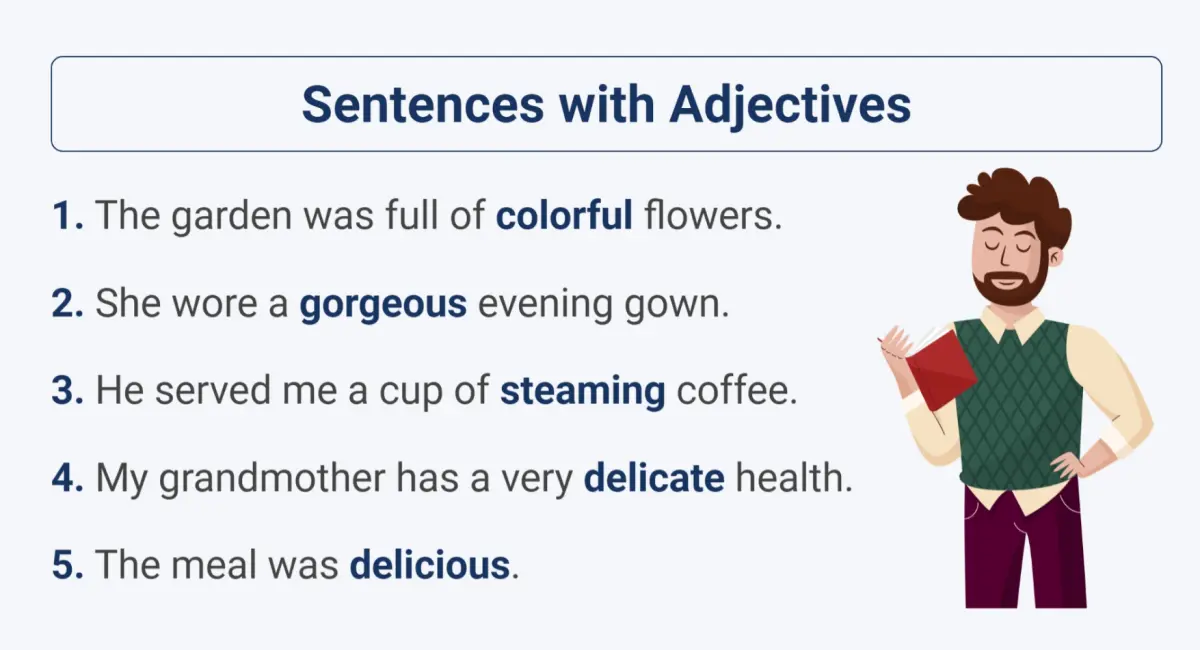
Aquí tienen 100 oraciones. Úsenlas para ejercicios de práctica. Modifíquenlas para adaptarlas a sus estudiantes.

- The shiny apple is delicious.
- A fluffy cat sat on the mat.
- He wore a blue shirt.
- The tall building is impressive.
- She has long hair.
- This is a small town.
- The hot coffee burned my tongue.
- It was a cold day.
- The old house is haunted.
- The new car is fast.
- The happy child was playing.
- She felt sad after the movie.
- The angry dog barked loudly.
- He is a brave knight.
- She is a kind woman.
- The strong wind blew the trees.
- The weak man needed help.
- The beautiful sunset painted the sky.
- The ugly duckling became a swan.
- The delicious cake was quickly eaten.
- The bad weather ruined the picnic.
- She is a smart student.
- He is a foolish man.
- The rich man owned a mansion.
- The poor family needed assistance.
- The expensive car was a luxury.
- The cheap toys broke easily.
- The easy test was passed by everyone.
- The difficult problem required thought.
- The clean room was inviting.
- The dirty clothes needed washing.
- The loud music hurt my ears.
- The quiet library was peaceful.
- The fast runner won the race.
- The slow turtle crossed the road.
- The heavy box was hard to lift.
- The light feather floated in the air.
- The soft pillow was comfortable.
- The hard rock was unyielding.
- The dark night was filled with stars.
- The bright sun shone in the sky.
- He is a young man.
- She is an old woman.
- The round table seated six people.
- The square box held the presents.
- The sharp knife cut the bread.
- The blunt pencil needed sharpening.
- The wet floor was slippery.
- The dry desert was hot.
- She is a funny comedian.
- He is a serious doctor.
- The smooth surface was polished.
- The rough road was bumpy.
- The sweet candy tasted good.
- The sour lemon made me pucker.
- The salty pretzels were addictive.
- The bitter coffee was strong.
- The empty glass needed refilling.
- The full glass was about to spill.
- The open door invited us in.
- The closed window kept out the cold.
- The right answer was obvious.
- The wrong answer was confusing.
- The same shirt was worn by two people.
- The different opinions caused debate.
- The real diamond sparkled.
- The fake diamond was a cheap imitation.
- The true story was inspiring.
- The false rumor spread quickly.
- The left turn was the correct way.
- The private conversation was confidential.
- The public park was open to everyone.
- The common bird chirped in the tree.
- The rare flower was unique.
- The early bird catches the worm.
- The late train was delayed.
- The recent news was shocking.
- The future is uncertain.
- The present moment is precious.
- The past is gone.
- The local shop was convenient.
- The foreign language was challenging.
- The national holiday was celebrated.
- The global economy is interconnected.
- The central idea was clear.
- The final decision was made.
- The initial plan was changed.
- The major problem was addressed.
- The minor issue was ignored.
- The extra credit helped my grade.
- The main character was interesting.
- The single rose was beautiful.
- The double doors opened wide.
- The multiple choices were confusing.
- The first attempt failed.
- The second chance was successful.
- The third time's the charm.
- The only way to succeed is to try.
- The every day routine was boring.
- The whole pie was eaten.
- The half eaten apple was discarded.
- The some people disagreed.
- The few remaining seats were taken.
- The much appreciated gift was lovely.
- The little effort made a big difference.
- The more you study, the better you learn.
Errores Comunes
Un error común es confundir adjetivos con adverbios. Recuerden: los adjetivos describen sustantivos, los adverbios describen verbos, adjetivos, u otros adverbios. Por ejemplo, "He is a good player" (adjetivo) vs. "He plays well" (adverbio).
Otro error es el orden incorrecto de los adjetivos cuando se usan varios. Existe un orden general (opinión, tamaño, edad, forma, color, origen, material, propósito). No es necesario memorizarlo, pero conviene que los estudiantes lo conozcan.

Actividades para Hacerlo Divertido
Usen juegos. "I spy with my little eye something…blue!". Creen descripciones creativas. Pidan a los alumnos que describan sus personajes favoritos usando adjetivos.
Incorporen imágenes. Muestren una foto y pidan a los estudiantes que escriban oraciones describiéndola. Usen objetos reales. Pidan a los alumnos que describan el objeto que tienen en sus manos.
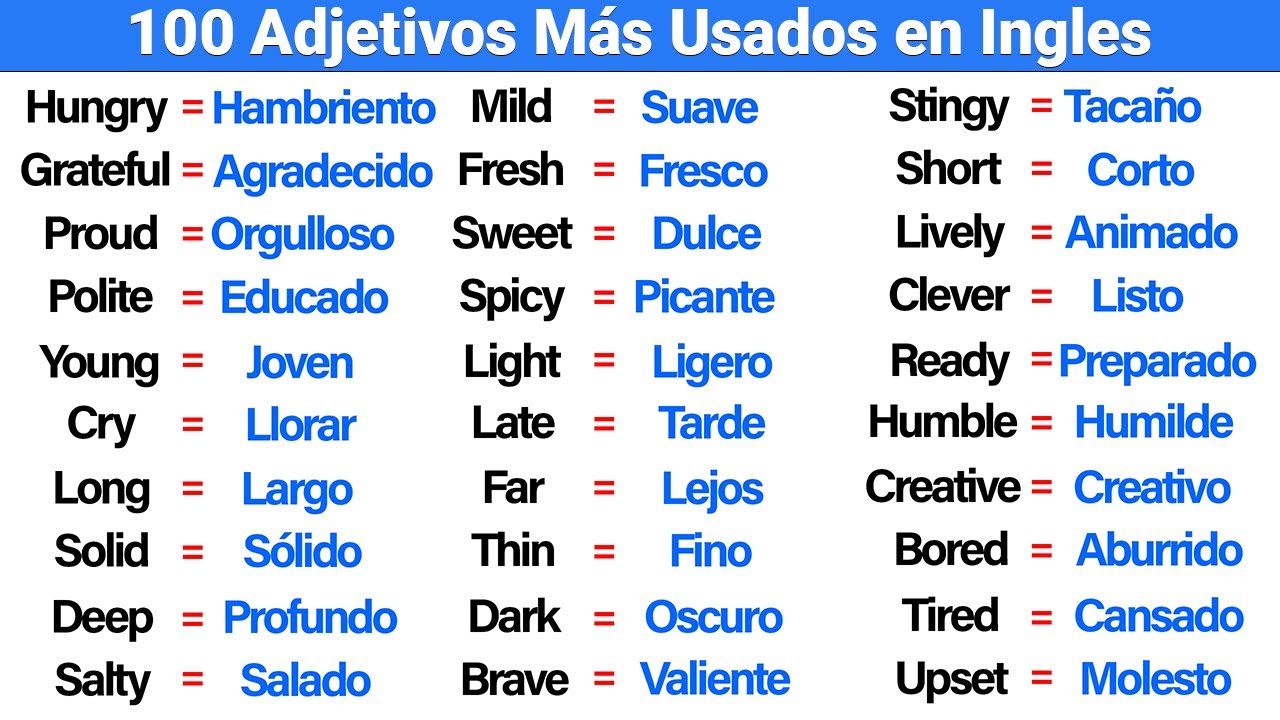
Implementen tarjetas (flashcards) con adjetivos y sustantivos. Los estudiantes pueden emparejarlos para formar frases. Hagan un concurso. ¿Quién puede escribir la oración más creativa con un adjetivo dado?
Recuerden, la práctica constante es clave. ¡Anímen a sus estudiantes a usar adjetivos en sus conversaciones diarias!