El Delincuente Nace O Se Hace

El Delincuente Nace o Se Hace (The Delinquent is Born or Made) is a long-standing debate about the origins of criminal behavior. It essentially asks: Is a person's tendency to commit crimes determined by their innate traits, or is it shaped by their environment and experiences?
¿Nace? Innate Factors
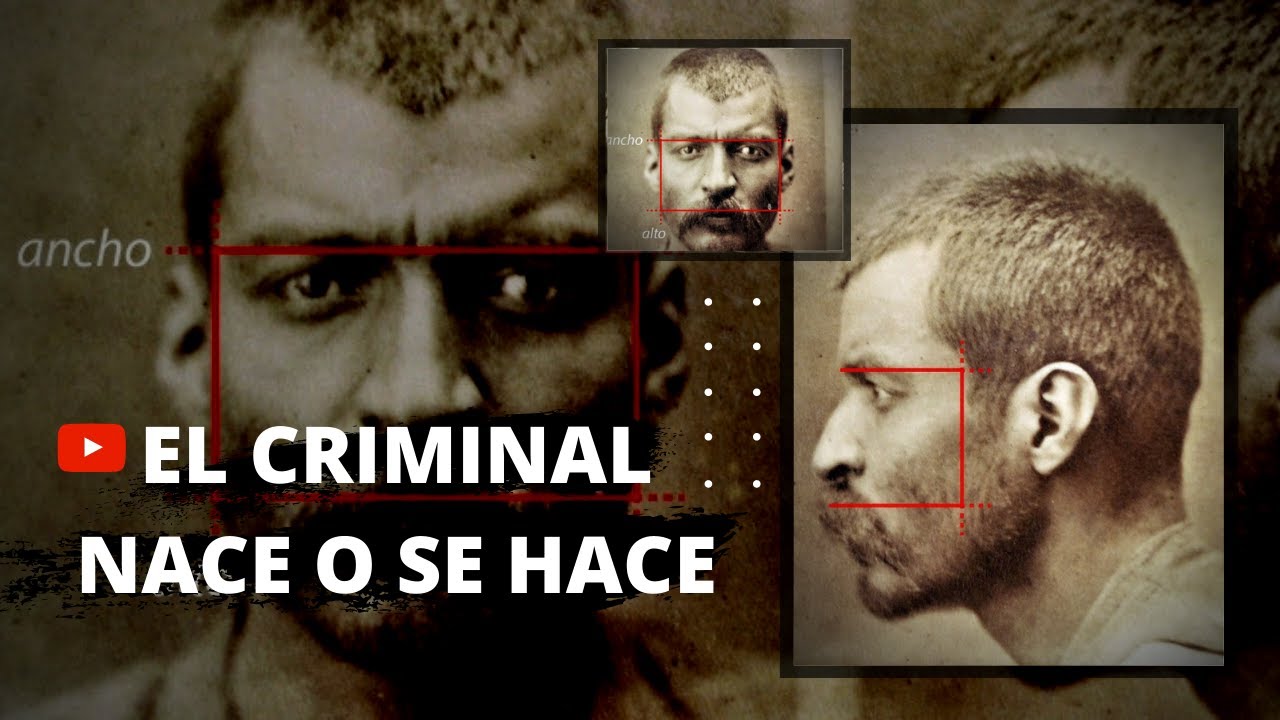
The "nace" (born) side of the argument suggests that some individuals are predisposed to crime due to their genetic makeup, neurological differences, or inherited personality traits. Think of it as a starting point. Some theories even suggest that certain gene combinations might increase the likelihood of aggressive or impulsive behavior.
For example, research has explored potential links between specific genes and a lack of empathy, a trait sometimes associated with criminal behavior. However, it's crucial to understand that no single gene causes crime. It's more about predisposition than predetermination.
Must Read
¿Se Hace? Environmental Factors
On the other hand, the "se hace" (made) perspective emphasizes the crucial role of the environment in shaping a person's behavior. This includes factors like poverty, lack of education, exposure to violence, and negative peer influence. Imagine a child growing up in a community where crime is normalized; their chances of engaging in criminal activity may increase significantly.
Social learning theory plays a big role here. People learn by observing and imitating others. If someone witnesses violence or criminal behavior regularly, they may be more likely to adopt those patterns themselves.

Furthermore, lack of opportunities can push individuals towards crime as a means of survival. Someone struggling to find a job might resort to theft to feed their family. This doesn't excuse the crime, but it highlights the impact of societal circumstances.
The Reality: A Complex Interaction
In reality, it's rarely a simple case of "either/or." Most experts agree that criminal behavior is a result of a complex interplay between nature and nurture. Think of it like a plant: its genetic code (nature) provides the potential for growth, but the environment (nurture) – sunlight, water, soil – determines how that potential is realized.
Someone might have a genetic predisposition for impulsivity, but a supportive and nurturing environment could help them develop coping mechanisms and make positive choices. Conversely, someone without a genetic predisposition might still be driven to crime by extreme poverty and lack of opportunity.
Implications
Understanding this debate has significant implications for crime prevention and rehabilitation. If crime is primarily innate, we might focus on identifying and managing individuals with predispositions. If it's primarily environmental, we would prioritize addressing social inequalities and providing opportunities for at-risk communities.
The truth, lying in the middle, suggests a need for both approaches. We need to address individual risk factors while simultaneously creating a more just and equitable society. Ultimately, the goal is to prevent crime by understanding its multifaceted origins and creating environments that foster positive development for all.