Instrumentos De Laboratorio En Ingles
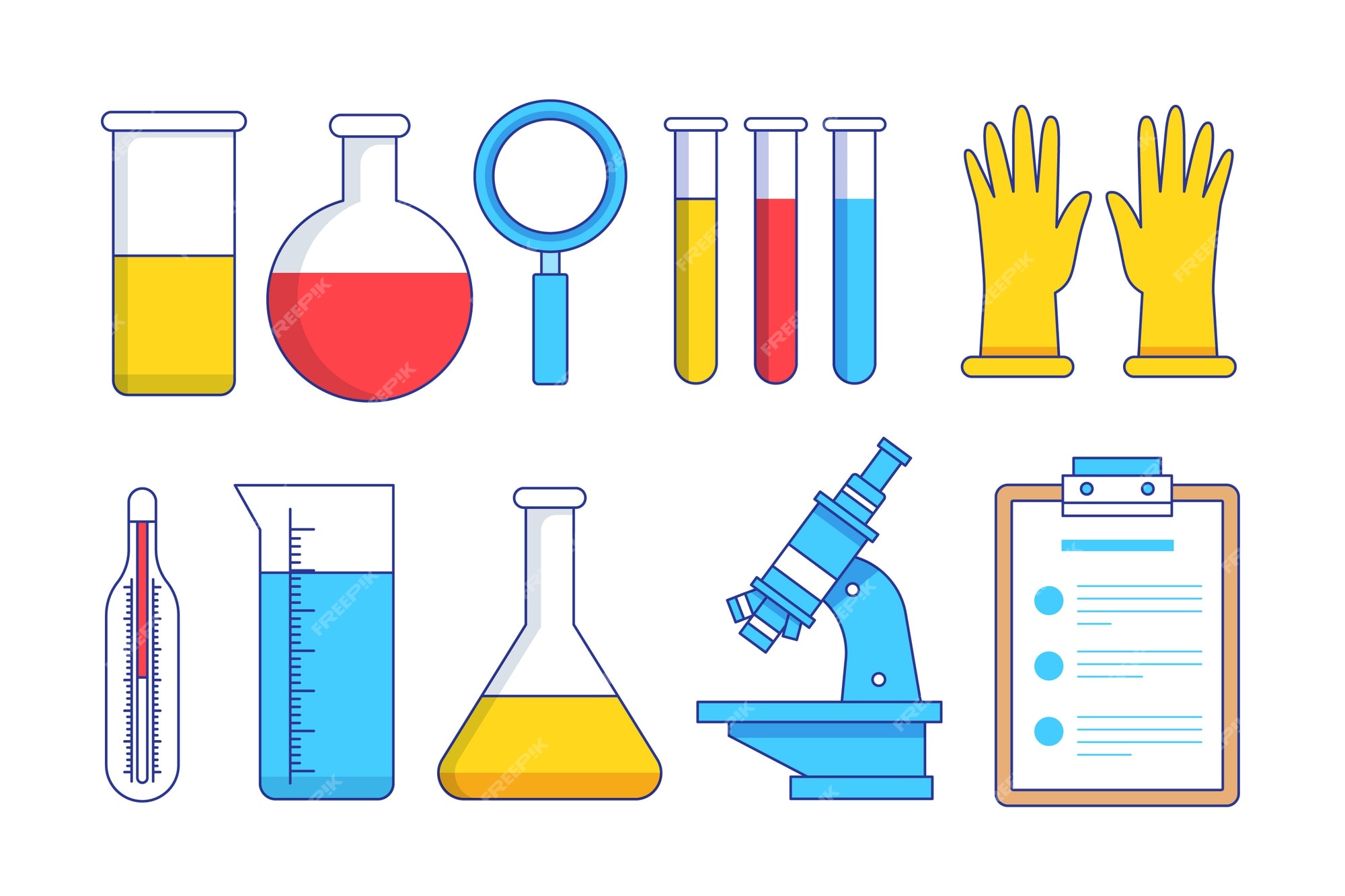
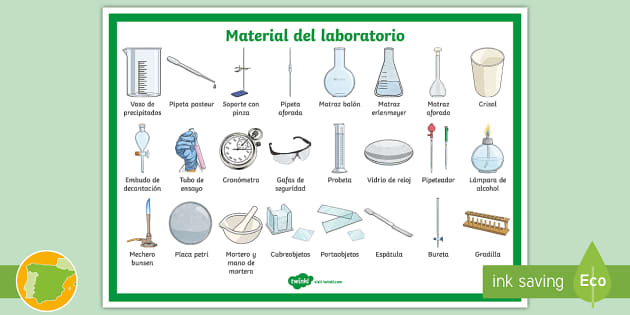
Instrumentos de laboratorio en inglés, or laboratory instruments in English, are essential tools used in a variety of scientific disciplines. They allow scientists and researchers to conduct experiments, analyze samples, and gather accurate data. Understanding these instruments is crucial for anyone working in a lab environment, from students to seasoned professionals. The main applications range from measuring volumes to separating substances and observing microscopic details.
Basic Lab Instruments: A Quick Guide
Let's explore some common lab instruments and their English names. This guide is designed for quick reference and practical application:
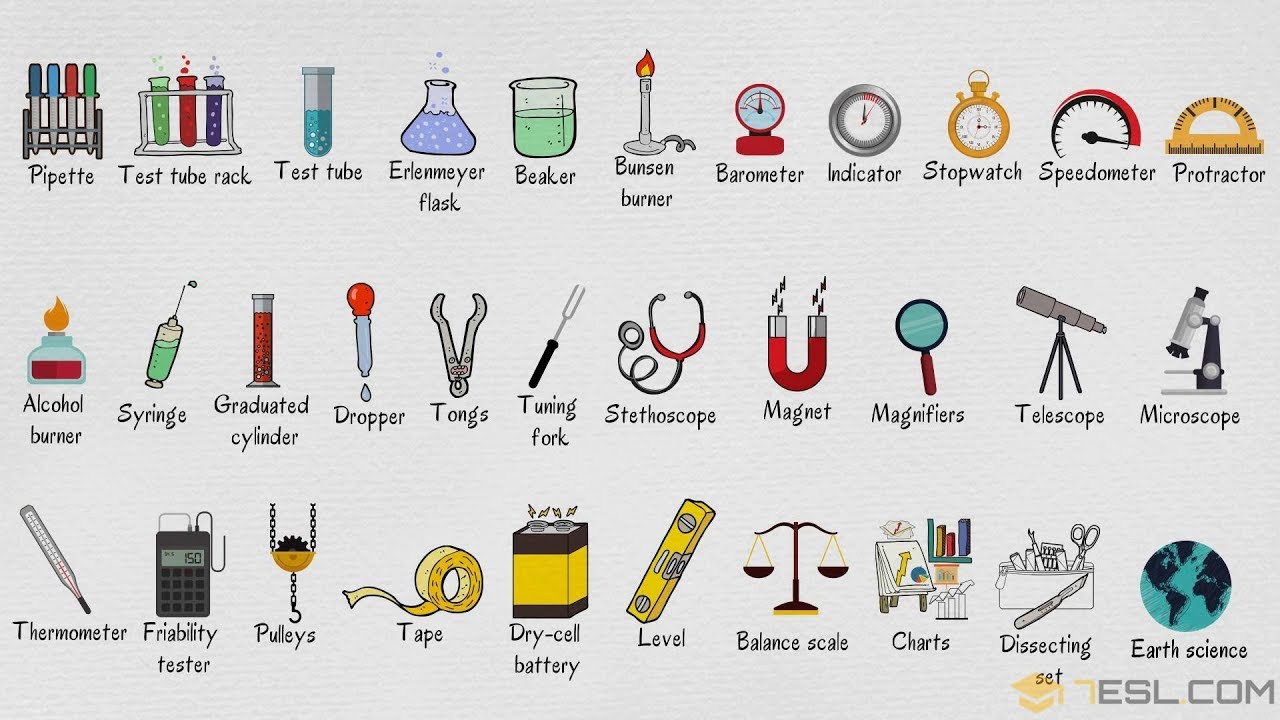
- Pipette: Used to measure and transfer small volumes of liquids accurately. Different types exist, such as graduated pipettes and volumetric pipettes.
- Beaker: A cylindrical glass container used for mixing, stirring, and heating liquids. Beakers come in various sizes and are not meant for precise measurements.
- Erlenmeyer Flask: A conical flask used for mixing, swirling, and heating liquids without excessive evaporation.
- Graduated Cylinder: Used for measuring liquid volumes with reasonable accuracy. It is more precise than a beaker but less precise than a pipette.
- Bunsen Burner: A gas burner used for heating, sterilization, and combustion.
- Microscope: An instrument used to view small objects or structures that are not visible to the naked eye. Types include optical microscopes and electron microscopes.
- Test Tubes: Cylindrical glass tubes used for holding and mixing small amounts of liquids or solids.
- Funnel: A conical or cylindrical tool used to pour liquids or powders into a container with a small opening.
Using Instruments Effectively
Here's a phased approach to using lab instruments:
Must Read
- Identification: First, identify the correct instrument for the task at hand. For example, if you need to precisely measure 5 ml of a liquid, use a 5 ml volumetric pipette, not a beaker.
- Calibration (if applicable): Some instruments, like scales (scales) and pH meters (pH meters), require calibration before use to ensure accurate measurements.
- Operation: Use the instrument according to its intended purpose. Follow the manufacturer's instructions carefully. Misuse can lead to inaccurate results or damage to the instrument.
- Cleaning: Always clean the instrument thoroughly after use to prevent contamination and prolong its lifespan. Use appropriate cleaning solutions and techniques.
- Storage: Store the instrument properly in a designated area to protect it from damage and maintain its functionality.
By understanding these laboratory instruments in English and following proper procedures, you can ensure accurate and reliable results in your experiments.