Jesus Muerto En Brazos De Maria
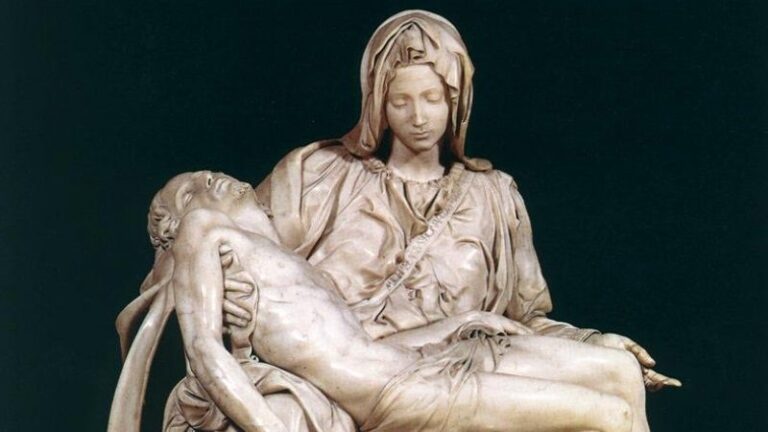
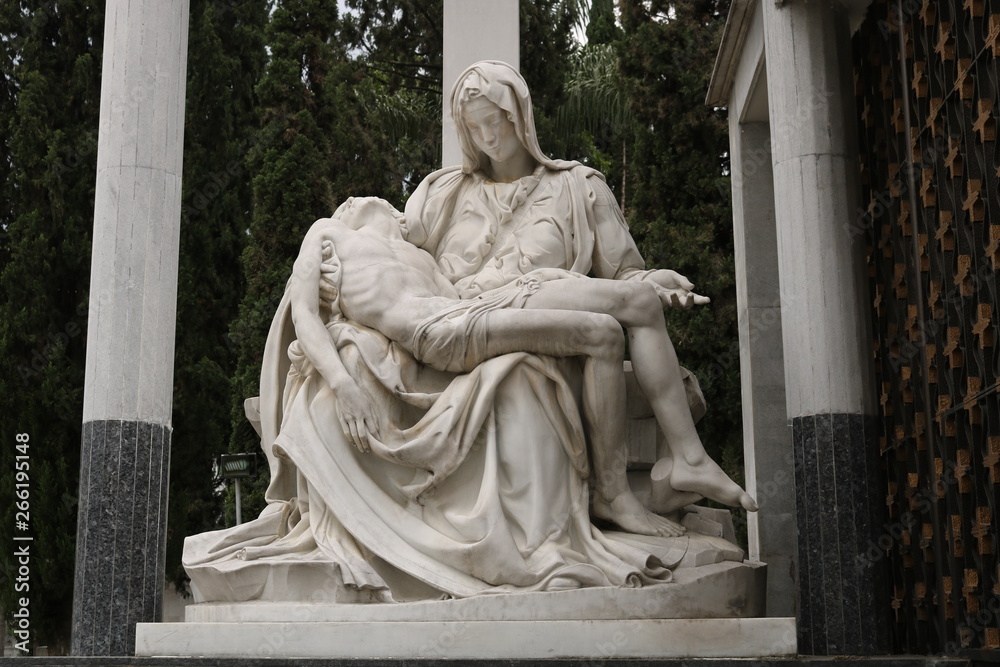
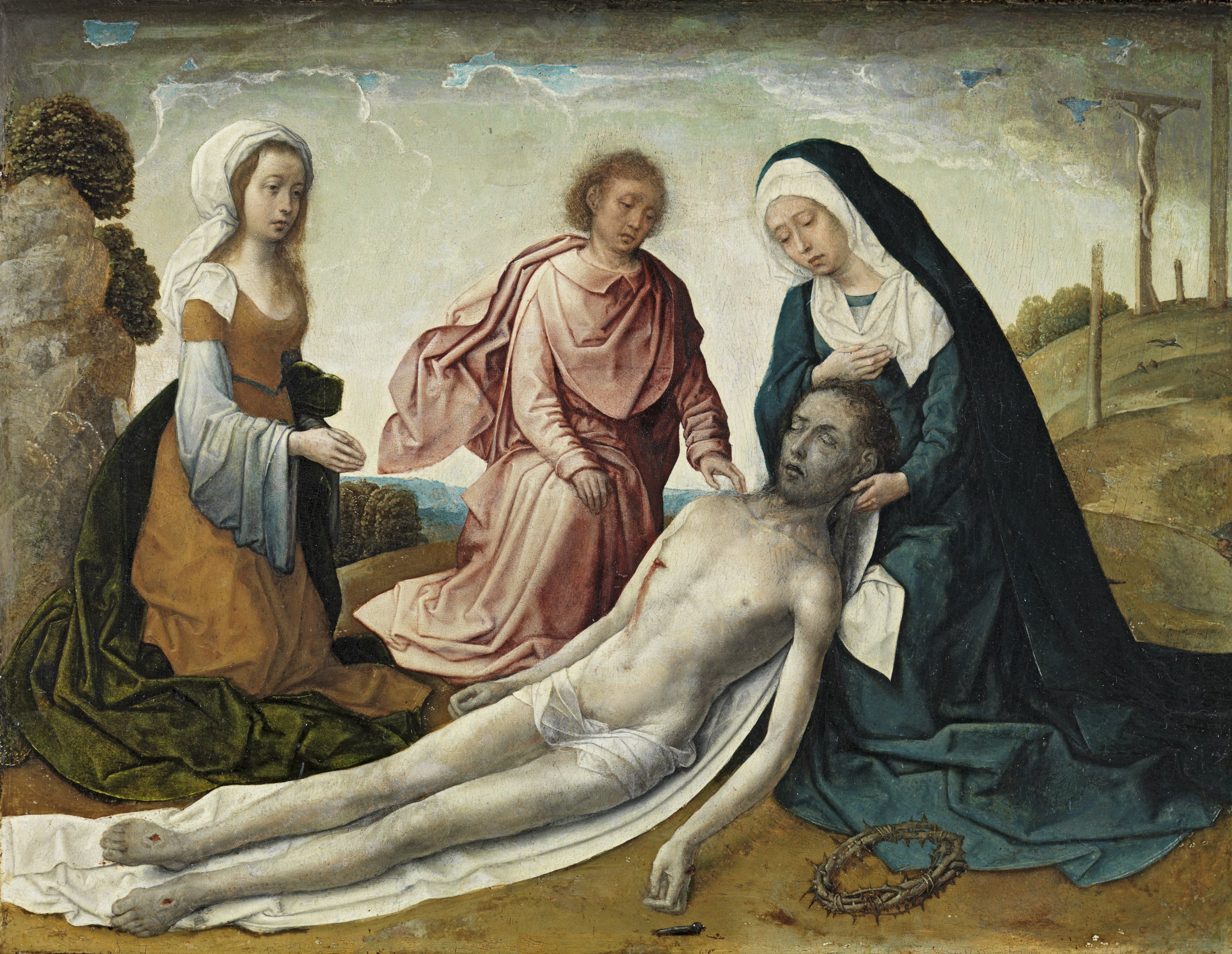
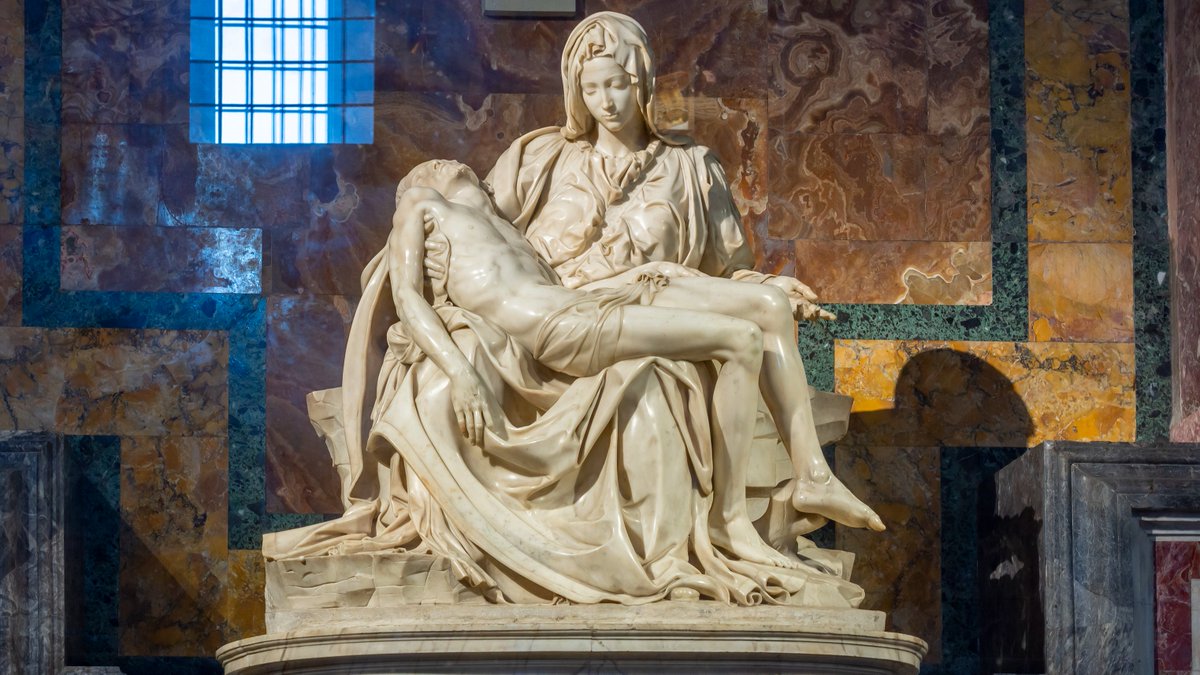
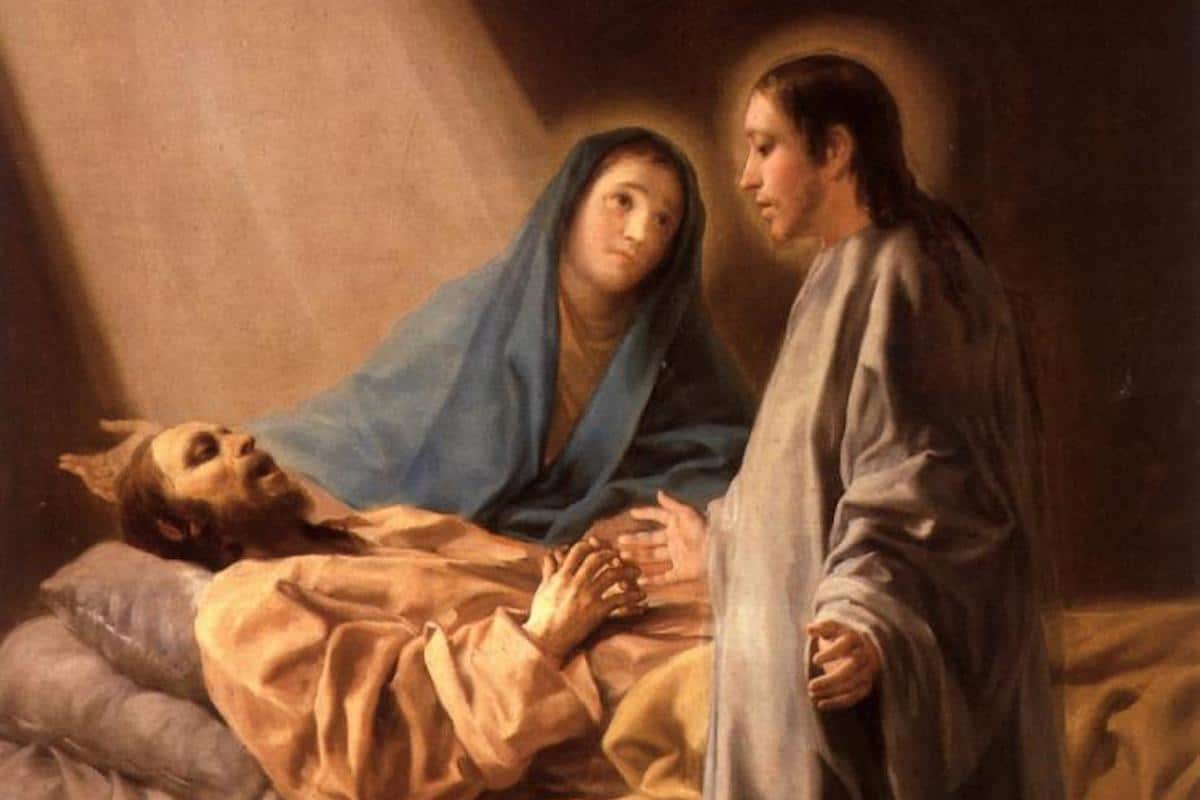
Jesús Muerto en Brazos de María, or "Dead Jesus in the Arms of Mary," refers to a recurring artistic motif in Christian art, depicting the Virgin Mary cradling the lifeless body of Jesus after his crucifixion. It's a powerful image of sorrow, grief, and maternal love.
Let's break down understanding this concept step by step:
Step 1: The Crucifixion. This image originates directly after Jesus' crucifixion. Imagine the scene: Jesus has been taken down from the cross. This is the immediate context. Example: Paintings often include the cross in the background, subtly referencing the event.
Must Read
Step 2: Descent from the Cross (Deposition). Before Mary can hold Jesus, his body needs to be removed from the cross. This act, known as the Deposition, is sometimes depicted separately, but is always implied in the "Jesús Muerto en Brazos de María" scene. Example: Helpers might be shown carefully lowering Jesus, or already having laid him on the ground.
Step 3: Mary's Embrace (The Pietà). Mary receives Jesus' body. This is the heart of the image. She holds him, often gazing at him with immense sorrow. This specific depiction is often referred to as a "Pietà" (Italian for "pity"). Example: Mary's expression is crucial - conveying grief, love, and acceptance.

Step 4: Symbolism of Sorrow and Love. The image is loaded with symbolism. It represents the immense suffering of Mary as a mother losing her child, and the profound love between them. It also reflects the sacrifice of Jesus for humanity. Example: The draping of Jesus' body often highlights his wounds, emphasizing his sacrifice.
Why is this important?
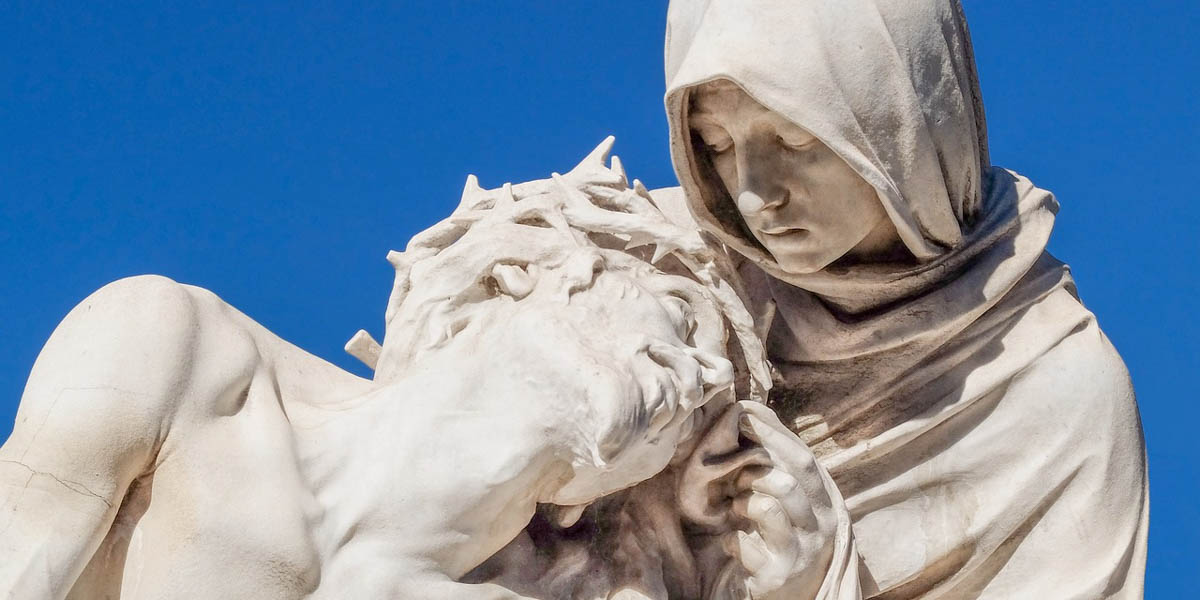
Practical Use 1: Meditation on Suffering. This image is a powerful tool for personal reflection on suffering and loss, allowing viewers to empathize with Mary and contemplate the meaning of sacrifice. It provides solace and a focal point for grief. Example: During Lent or times of personal hardship, contemplating a Pietà can offer comfort and perspective.
Practical Use 2: Understanding Religious Art. Recognizing this motif allows for a deeper appreciation of religious art. Knowing the story and symbolism unlocks layers of meaning within countless sculptures and paintings found in churches and museums worldwide. Example: When visiting a museum, being able to identify a Pietà allows you to understand the artist's intent and the emotional impact they aimed to create.