Actividad Formativa 5 Seres Vivos Y Biomoléculas

Actividad Formativa 5: Seres Vivos y Biomoléculas explores the essential connection between living things and the molecules that make them up. It's about understanding what biomoléculas are and how they allow life to exist.
¿Qué son las Biomoléculas?
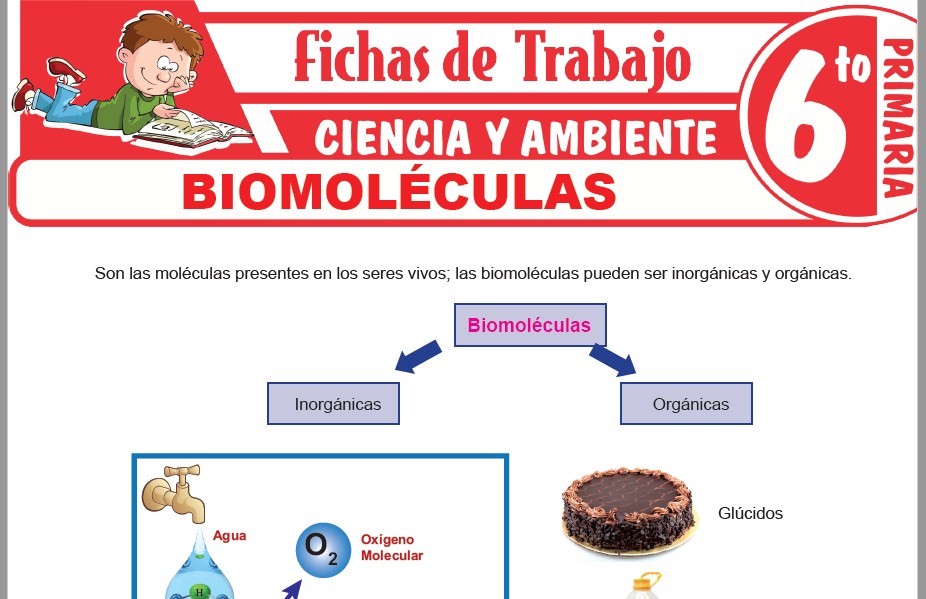
Biomoléculas are the molecules necessary for life. They are made of elements like carbon, hydrogen, oxygen, nitrogen, phosphorus, and sulfur. Think of them as the building blocks and fuel that keeps living organisms running. A simple example is water (H₂O), essential for nearly all life processes.
Las Cuatro Biomoléculas Principales
There are four main types of biomolecules: carbohydrates, lipids (fats), proteins, and nucleic acids. Let's look at each:
Must Read
1. Carbohydrates (Carbohidratos): These provide energy. They include sugars and starches. Glucose is a simple sugar used as immediate energy by cells. Pasta and bread are examples of foods rich in carbohydrates.
2. Lipids (Lípidos): These include fats, oils, and waxes. They store energy, insulate the body, and form part of cell membranes. Think of oil used for cooking or the fat in an avocado. They store much more energy than carbohydrates.

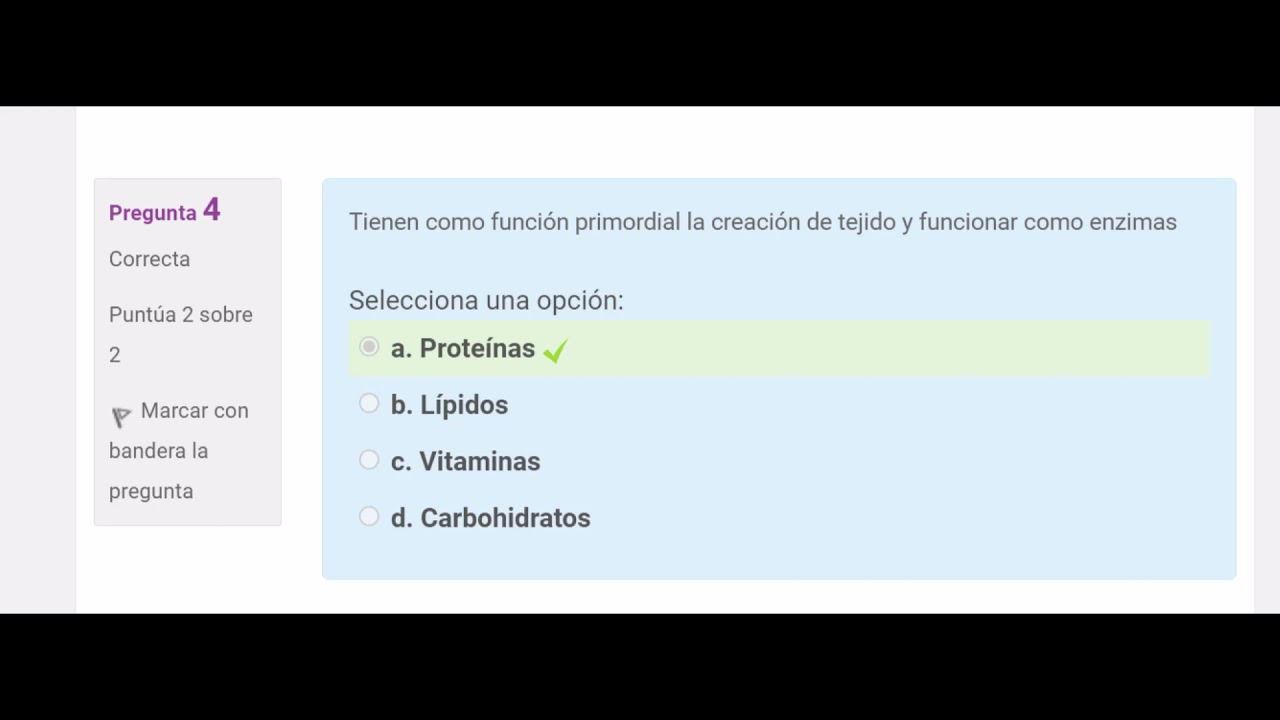
3. Proteins (Proteínas): These have many roles. They build tissues, act as enzymes (speeding up chemical reactions), and transport molecules. Enzymes, for example, help digest your food. Meat, eggs, and beans are good sources of protein. Hemoglobin, a protein in red blood cells, carries oxygen.
4. Nucleic Acids (Ácidos Nucleicos): These carry genetic information. DNA and RNA are the two main types. DNA contains the instructions for building and operating a living organism. RNA helps carry out these instructions. Think of DNA as the blueprint of a building and RNA as the construction workers who follow the blueprint.
The Importance of Biomolecules for Living Organisms
Without biomolecules, life as we know it couldn't exist. Here's why they're so crucial:
- Energy: Carbohydrates and lipids provide the energy needed for all life processes, from breathing to moving.
- Structure: Proteins build cells and tissues, providing the structural framework for organisms.
- Information: Nucleic acids store and transmit the genetic information that determines an organism's traits.
- Regulation: Enzymes, which are proteins, regulate chemical reactions within cells, keeping everything running smoothly.
Ejemplos Cotidianos
Consider a simple apple. It contains: carbohydrates (sugars) for energy, a small amount of lipids in the skin, proteins that help build its structure, and nucleic acids (DNA) in its cells that determine its characteristics, like color and flavor. Water is also a vital component.
Understanding the relationship between seres vivos (living beings) and biomoléculas is fundamental to understanding biology and life itself. It helps us appreciate the complexity and interconnectedness of all living things at a molecular level.