Auto De Admision De Demanda De Amparo Indirecto

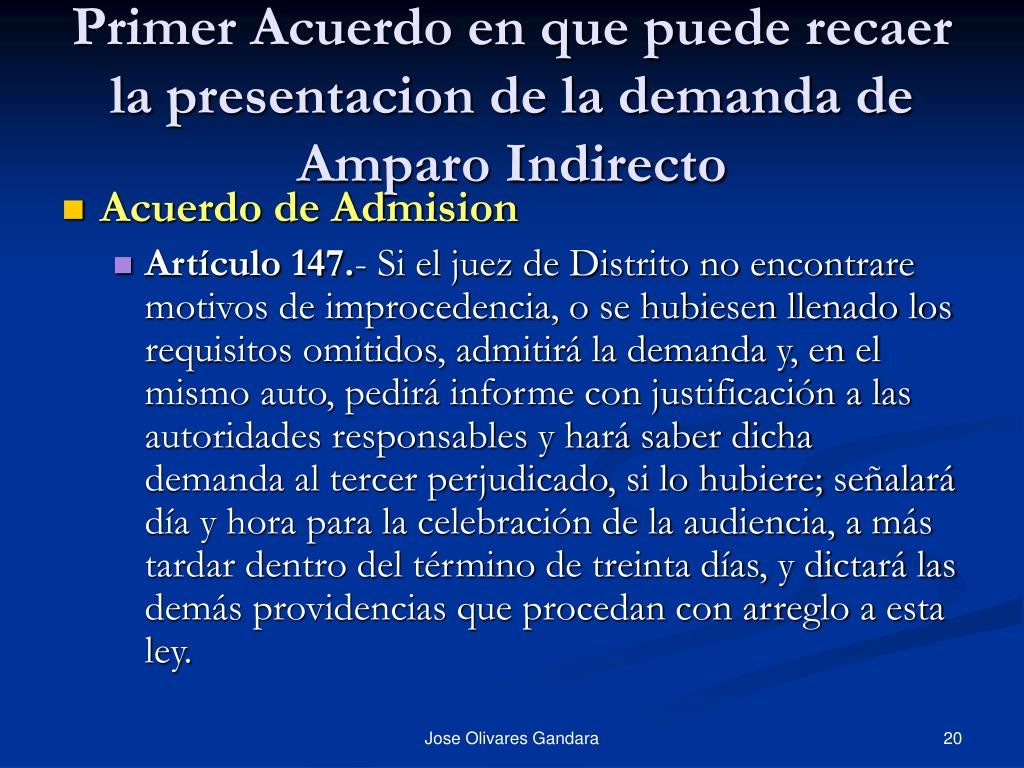
Let's break down what an Auto de Admisión de Demanda de Amparo Indirecto is. Simply put, it's the judicial order (auto) issued by a judge or court formally accepting a lawsuit (demanda) for indirect constitutional protection (amparo indirecto). Think of it as the court's way of saying, "Okay, we've received your complaint and we'll proceed with examining it."
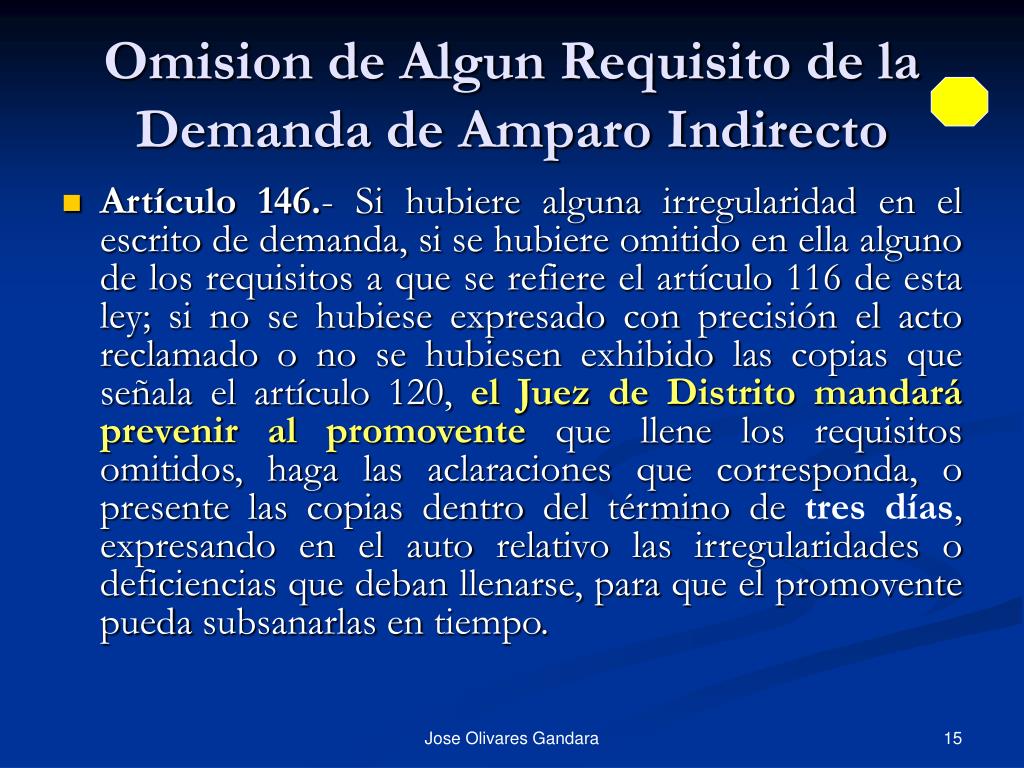
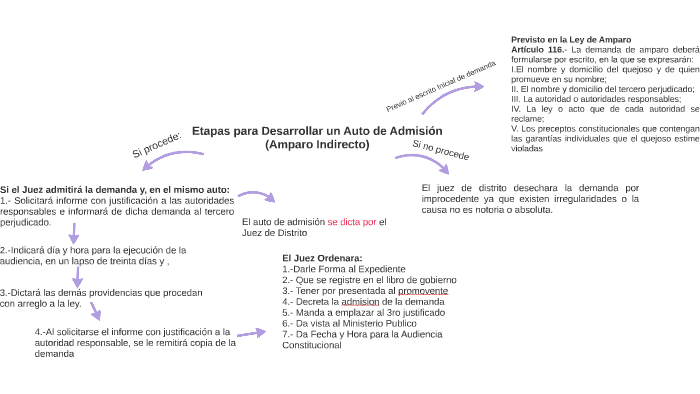
Here's the process in a nutshell: Someone believes their constitutional rights have been violated by an action or law (but not a final court judgment - that's direct amparo). They file a lawsuit, the demanda de amparo indirecto, with the appropriate court. The judge then reviews the lawsuit to make sure it meets certain legal requirements. If it does, the judge issues the Auto de Admisión.
What's in this Auto de Admisión? It typically includes: the case number, the court's name, the plaintiff's name (the person filing the lawsuit), the authority that allegedly violated the rights (the defendant), and a brief summary of the claims. Most importantly, it orders the defendant authority to submit a report (informe justificado) explaining their actions.
Must Read
Example: Let's say a government agency denies someone a permit unjustly. They file an amparo indirecto lawsuit. If the judge finds the lawsuit valid on its face, the judge will issue an Auto de Admisión, ordering the government agency to explain why the permit was denied.

Why is this important? The Auto de Admisión sets the legal machinery in motion. It doesn't mean the plaintiff wins, only that their case has a chance. If you're involved in a legal dispute involving constitutional rights, knowing that an Auto de Admisión has been issued means the court is actively considering your complaint. You should then monitor the case and ensure your lawyer is responding appropriately to the court's requests, especially the informe justificado provided by the defendant.
Essentially, the Auto de Admisión is a crucial first step in the long process of seeking constitutional protection through amparo indirecto. It indicates the case has merit to proceed.