
Cuesta Más Caro El Caldo Que Las Albóndigas Significado
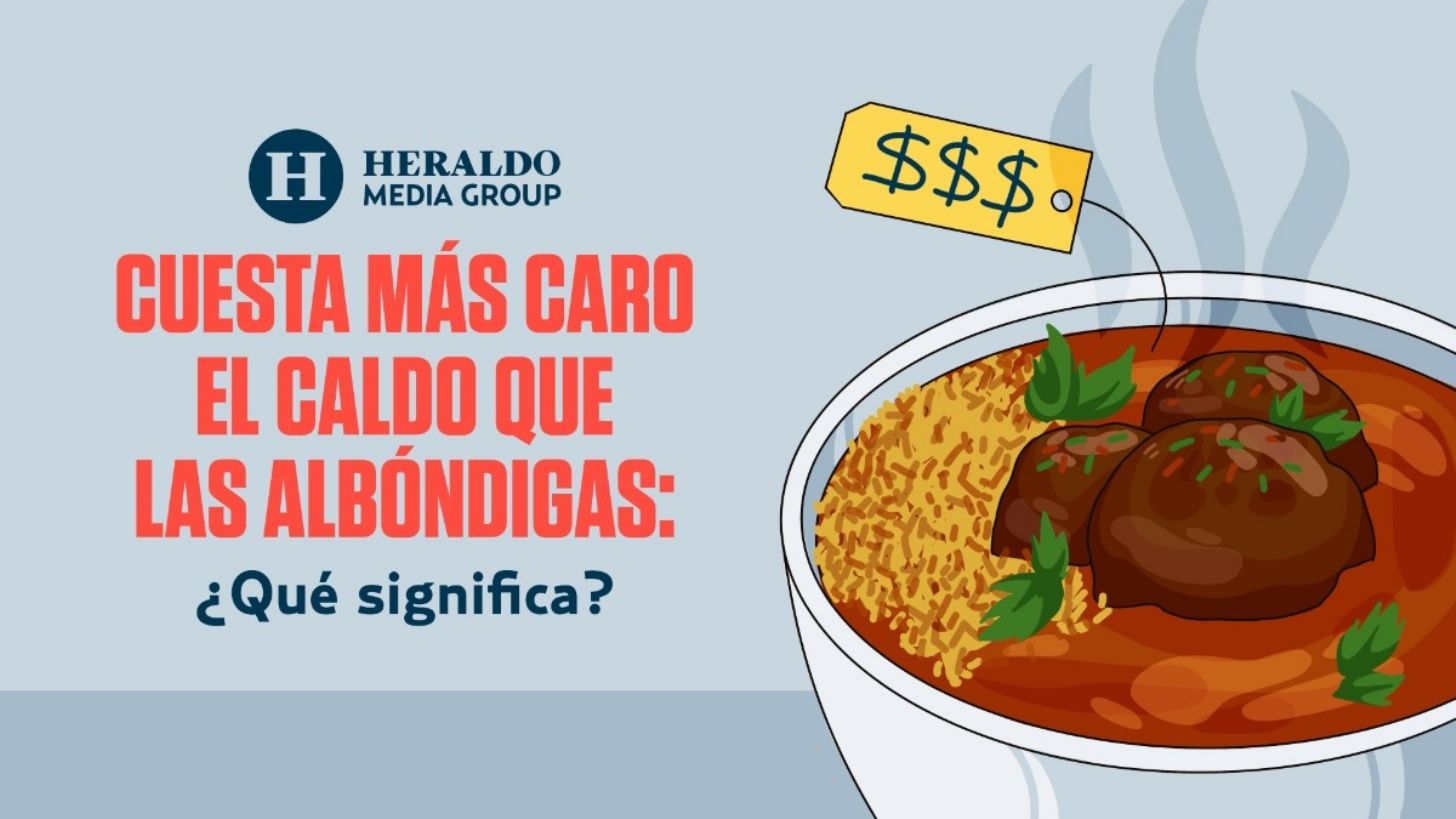
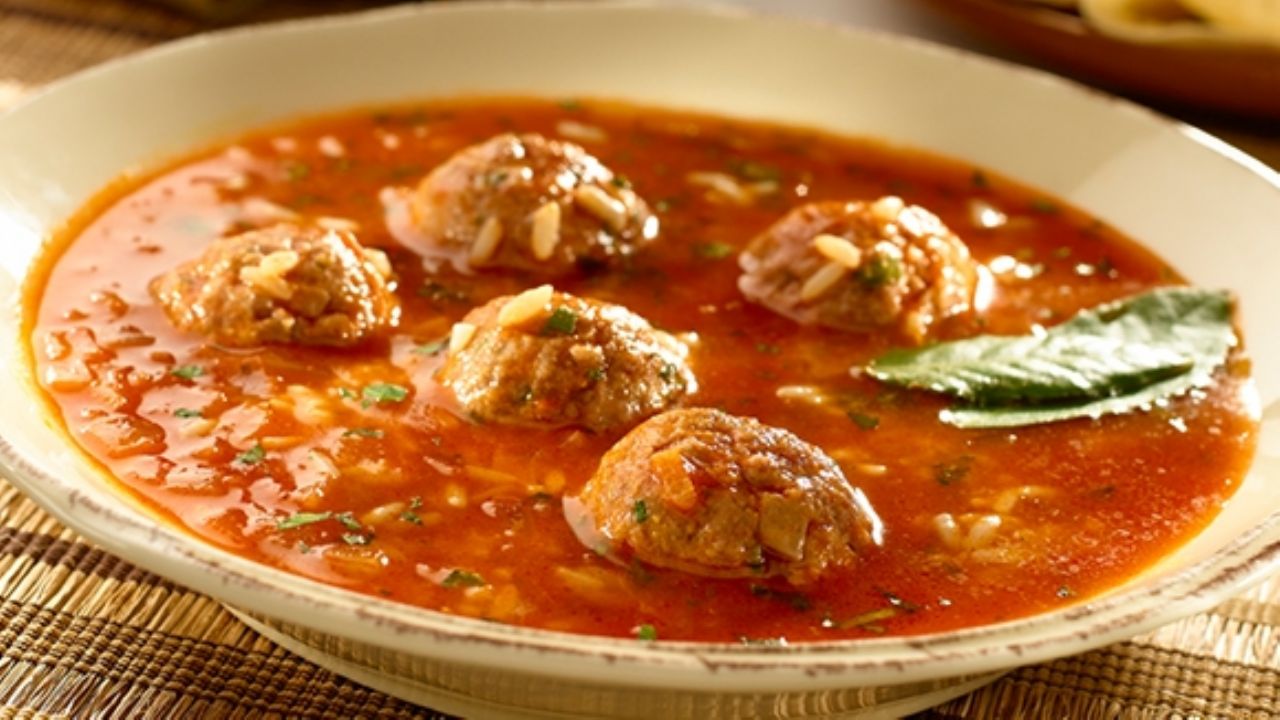
"Cuesta más caro el caldo que las albóndigas" is a Spanish idiom. It literally translates to "The broth costs more than the meatballs."
What does it mean?
The meaning is simple: the secondary expenses or resources used for something exceed the value or cost of the main thing itself. It's about disproportionate spending.
Breaking it down
Think of the broth (el caldo) as the resources needed to prepare or support something. The meatballs (las albóndigas) are the main product or service. The idiom highlights when the resources spent are greater than what is gained or what the main thing is worth.
Must Read
Relatable Examples
Example 1: Imagine fixing an old, cheap car. You spend money on repairs (broth): new tires, engine parts, labor. Eventually, the repair costs exceed the actual value of the car (meatballs). Cuesta más caro el caldo que las albóndigas because it would have been cheaper to buy a new car.
Example 2: You want to learn a niche software. The online course is cheap (meatballs). However, you need to buy expensive software and hardware to use it (broth). If the total cost of software, hardware, and the course exceeds what you'll earn using the software, cuesta más caro el caldo que las albóndigas.
Example 3: A small business wants to create a basic website (meatballs). Instead of hiring a freelancer, they try to build it themselves. They spend countless hours researching, buying templates, and troubleshooting (broth). Their time, if valued properly, might be worth more than hiring a professional web developer in the first place.
Why is it used?
The idiom serves as a warning against inefficient spending. It encourages you to evaluate the total cost, not just the initial price, of something. It's a reminder to consider the hidden costs and the potential for diminishing returns.

Key takeaway
The phrase "Cuesta más caro el caldo que las albóndigas" is a colorful way to say that the supporting elements of a project or purchase are costing more than the actual item or goal itself. It prompts you to be mindful of resource allocation and prevent overspending.
So, next time you are faced with a situation where secondary costs start to balloon, remember the meatballs and the broth. It might be time to reassess!