El Juego De Echar La Culpa
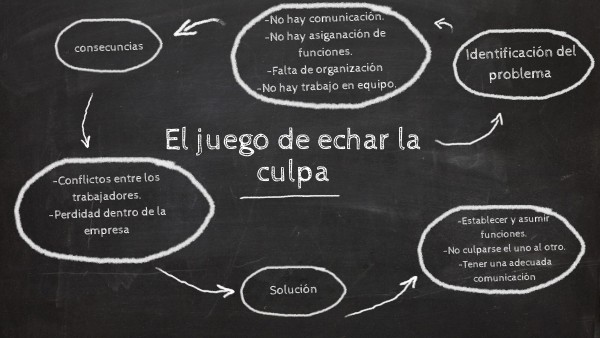
El Juego De Echar La Culpa (The Blame Game) is when someone avoids taking responsibility for their actions by blaming someone else. It's a common, and often harmful, way of dealing with mistakes.
Why Do People Play?
Several reasons motivate people to play this game:
- Avoiding Punishment: Fear of consequences drives the urge to blame others.
- Protecting Ego: It's easier to blame someone else than to admit a mistake. It feels better for their self-esteem.
- Gaining Sympathy: Sometimes, blaming others is a way to get attention and sympathy.
- Lack of Responsibility: Some people haven't learned to take ownership of their actions.
How the Game Works: Step-by-Step
Here's a breakdown of how El Juego De Echar La Culpa usually unfolds:
Must Read
- Mistake Made: Someone makes an error, big or small.
- Identify a Scapegoat: The person identifies someone else to blame. This could be a person, a thing, or even a circumstance.
- Shift the Blame: The person verbally or non-verbally blames the other party. They might say something like, "It's not my fault, it's because..."
- Justification: They try to justify why it's the other person's/thing's fault. They provide excuses and explanations to support their claim.
- Avoid Consequences: Ideally, for the blame-shifter, they avoid any negative consequences.
Examples in Real Life
Let's look at some common examples:
- Student & Homework: A student doesn't complete their homework and blames the teacher for not explaining it well enough. "It's not my fault I didn't do the homework; the teacher didn't explain it correctly!"
- Team Project: In a group project, one person doesn't contribute and blames their teammates for not including them. "I couldn't help because you didn't ask me to do anything!"
- Accident & Car: A driver causes a minor accident and blames the car for having faulty brakes. "The accident wasn't my fault; the brakes didn't work!"
- Missed Deadline & Internet: An employee misses a deadline and blames the internet connection for being slow. "I missed the deadline because the internet was down all day!"
The Problem with Blame
El Juego De Echar La Culpa is problematic because:

- It Prevents Learning: If you're always blaming others, you never learn from your mistakes.
- Damages Relationships: It creates mistrust and resentment.
- Solves Nothing: Blaming doesn't fix the problem; it only delays finding a real solution.
- Hinders Growth: Personal growth requires taking responsibility.
Breaking the Cycle
Instead of playing El Juego De Echar La Culpa, try these strategies:
- Take Responsibility: Admit your mistakes. It's okay to make them!
- Focus on Solutions: Instead of blaming, ask "How can I fix this?"
- Learn from Errors: Use mistakes as opportunities to improve.
- Communicate Openly: Talk about problems honestly and respectfully.
- Practice Empathy: Try to understand others' perspectives.
Taking responsibility is a sign of maturity and helps build stronger, healthier relationships. Embrace accountability and stop playing El Juego De Echar La Culpa!