Estructura Del Verbo To Be En Afirmativo Negativo E Interrogativo
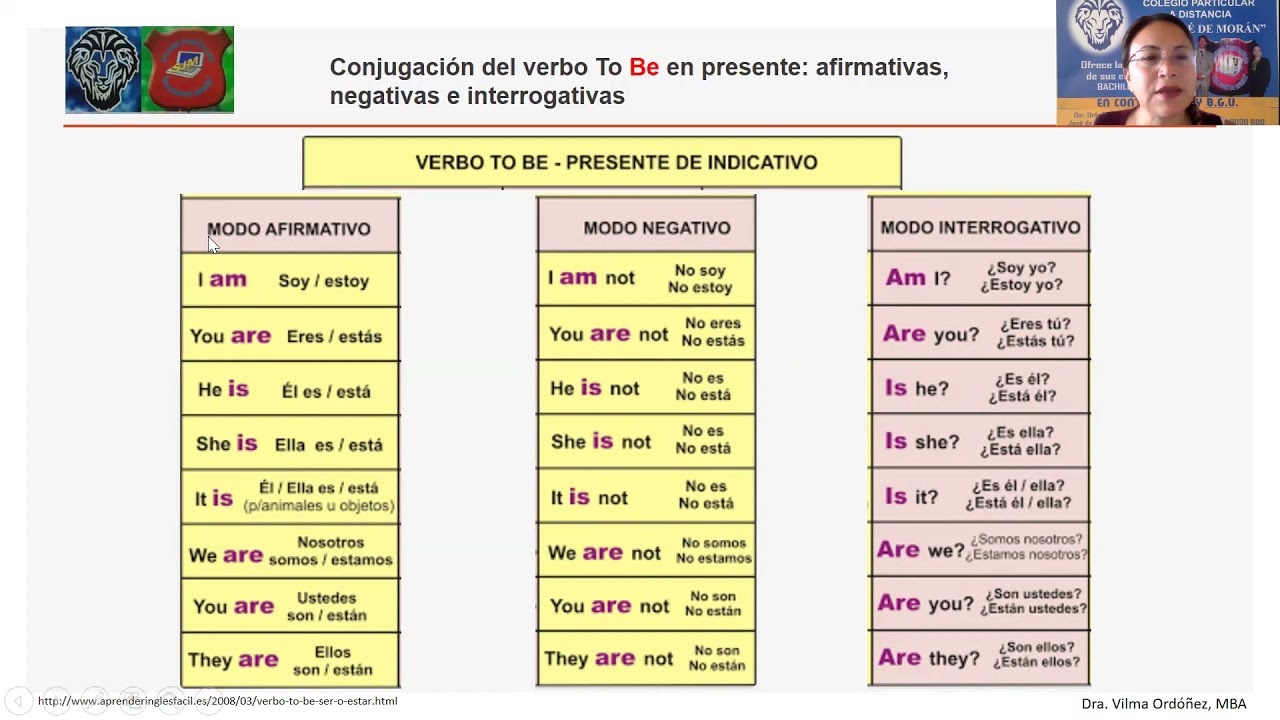
El verbo to be, que significa ser o estar en español, es uno de los verbos más importantes en inglés. Aprender su estructura en afirmativo, negativo e interrogativo es fundamental para empezar a construir oraciones.
Afirmativo: La forma afirmativa es la más sencilla. Se compone del sujeto (la persona o cosa de la que hablamos) y la forma correcta del verbo to be. Recuerda que el verbo to be cambia según el sujeto:
- I am (Yo soy/estoy) - Ejemplo: I am a student.
- You are (Tú eres/estás) - Ejemplo: You are my friend.
- He/She/It is (Él/Ella/Eso es/está) - Ejemplo: He is happy. She is tall. It is cold.
- We are (Nosotros somos/estamos) - Ejemplo: We are a team.
- You are (Ustedes son/están) - Ejemplo: You are all welcome.
- They are (Ellos/Ellas son/están) - Ejemplo: They are doctors.
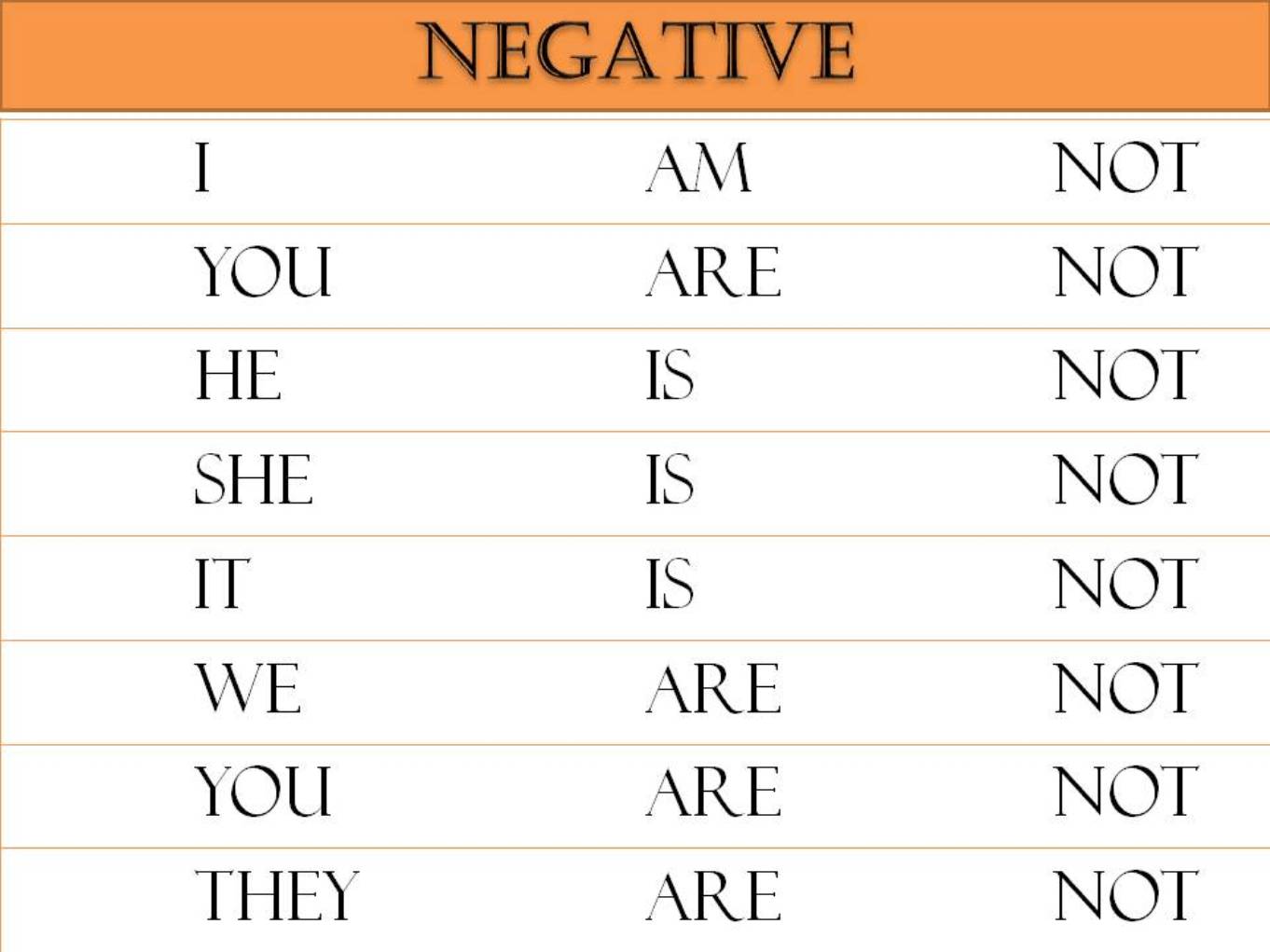
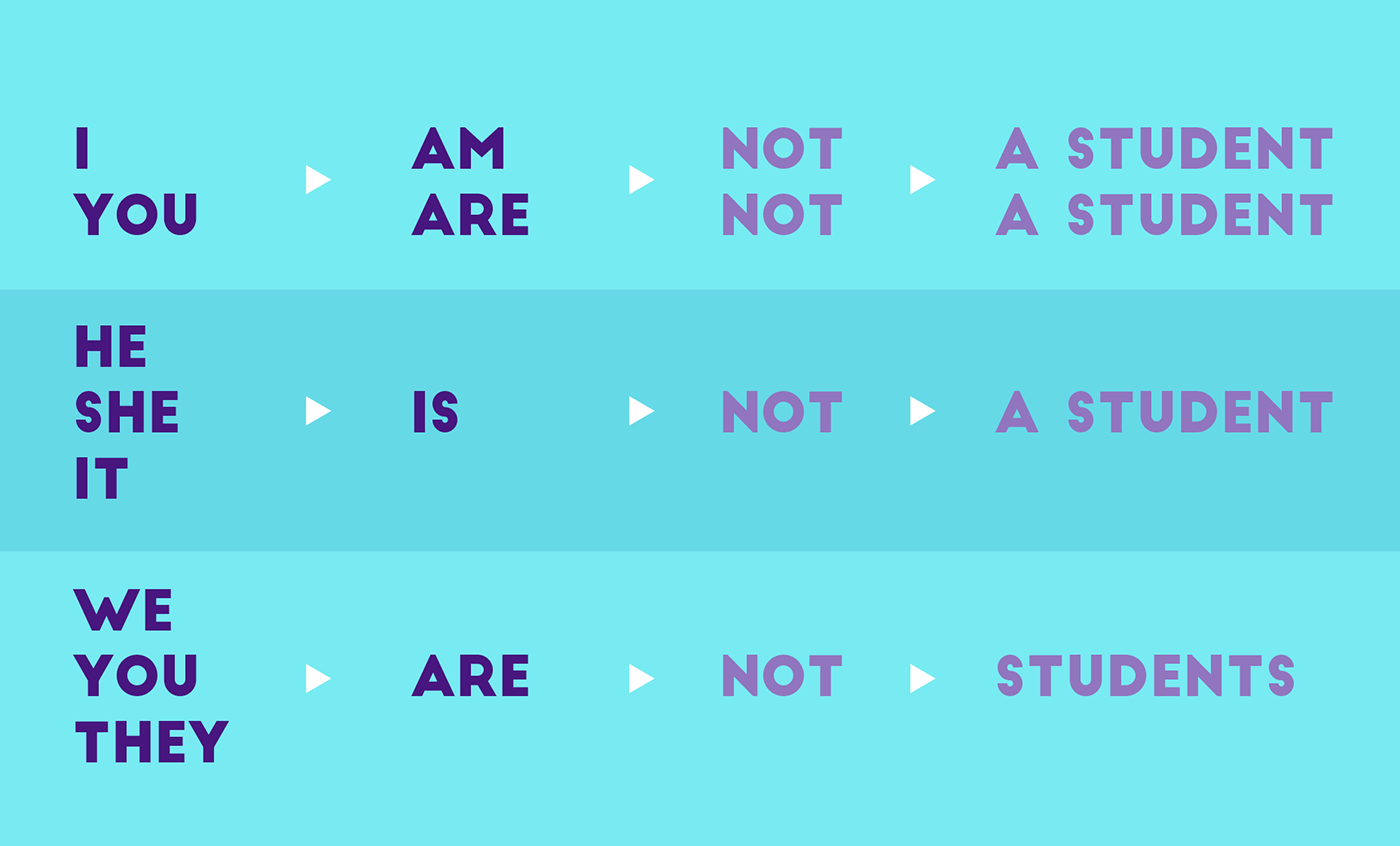
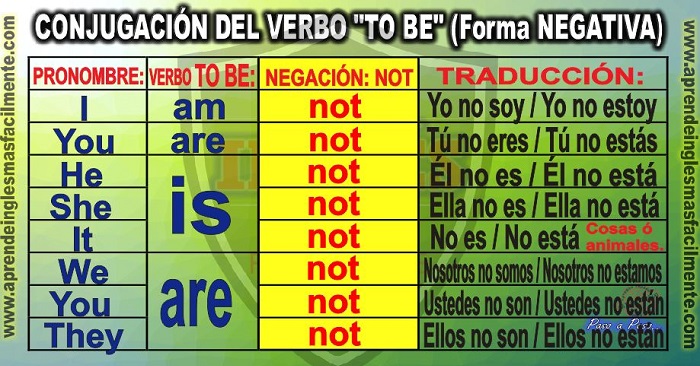
Negativo: Para formar oraciones negativas, añadimos la palabra not después del verbo to be. También podemos usar contracciones (formas cortas):
- I am not (Yo no soy/estoy) - Ejemplo: I am not tired.
- You are not / You aren't (Tú no eres/estás) - Ejemplo: You aren't late.
- He/She/It is not / He/She/It isn't (Él/Ella/Eso no es/está) - Ejemplo: She isn't sad.
- We are not / We aren't (Nosotros no somos/estamos) - Ejemplo: We aren't from Spain.
- You are not / You aren't (Ustedes no son/están) - Ejemplo: You aren't ready.
- They are not / They aren't (Ellos/Ellas no son/están) - Ejemplo: They aren't playing.
Must Read
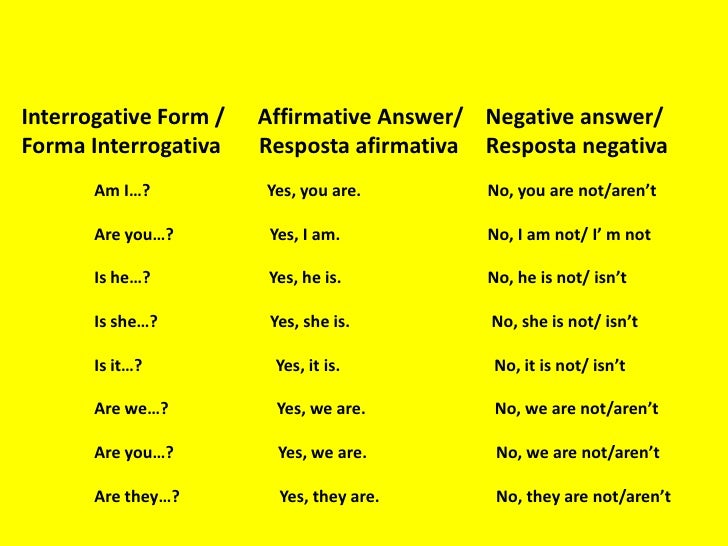
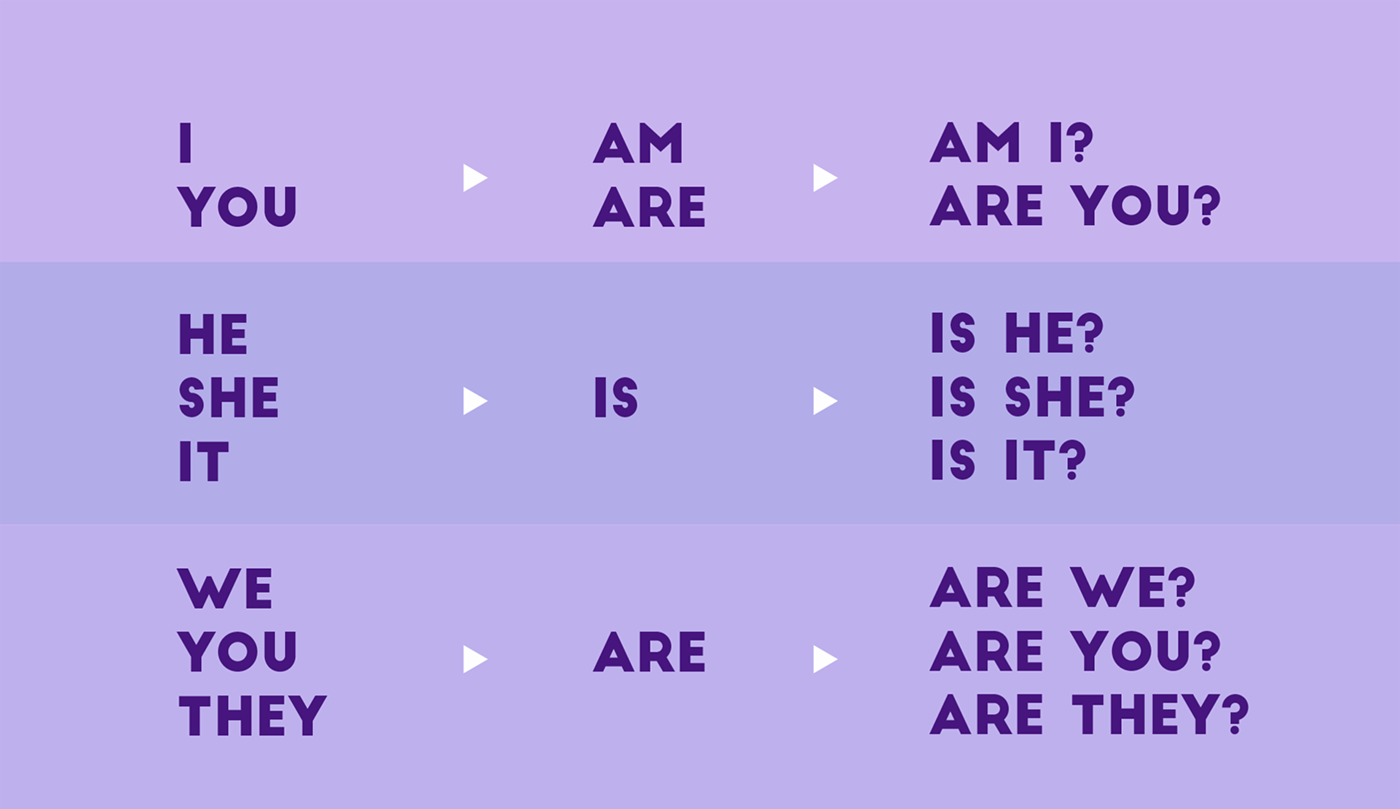
Interrogativo: Para hacer preguntas, invertimos el orden del sujeto y el verbo to be:
- Am I...? (¿Soy/Estoy yo...?) - Ejemplo: Am I right?
- Are you...? (¿Eres/Estás tú...?) - Ejemplo: Are you busy?
- Is he/she/it...? (¿Es/Está él/ella/eso...?) - Ejemplo: Is he a teacher? Is it raining?
- Are we...? (¿Somos/Estamos nosotros...?) - Ejemplo: Are we lost?
- Are you...? (¿Son/Están ustedes...?) - Ejemplo: Are you students?
- Are they...? (¿Son/Están ellos/ellas...?) - Ejemplo: Are they married?
Aplicaciones Prácticas: Usa to be para presentarte ("I am Maria"), describir a personas ("She is beautiful"), hablar de tu estado de ánimo ("I am happy"), expresar tu nacionalidad ("We are Mexican"), hacer preguntas sencillas sobre el mundo que te rodea ("Is it hot today?"), y para muchísimas otras situaciones cotidianas. ¡Practica con estos ejemplos y crea los tuyos propios!