
Have To Affirmative Negative Interrogative Exercises
El verbo modal "have to" en inglés es una herramienta fundamental para expresar obligación o necesidad. Vamos a explorar cómo utilizarlo en sus formas afirmativa, negativa e interrogativa.
Forma Afirmativa
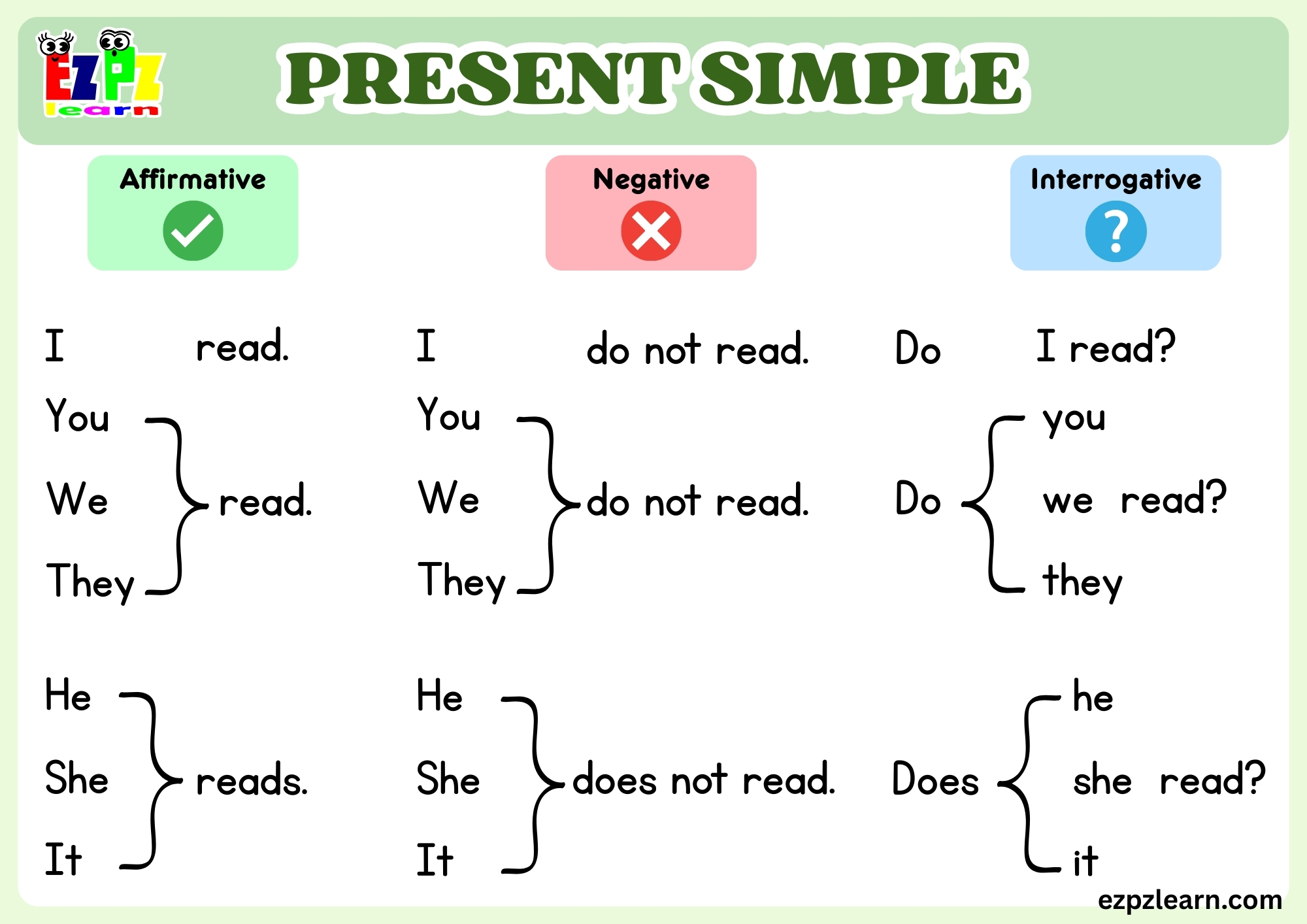
La forma afirmativa de "have to" indica una obligación. Significa que algo es necesario o requerido. La estructura básica es: Sujeto + have to/has to + verbo en forma base.
Usamos "have to" con los sujetos I, you, we, y they. Por ejemplo: "I have to study for the exam." Significa "Tengo que estudiar para el examen."
Must Read
Usamos "has to" con los sujetos he, she, y it. Por ejemplo: "She has to work late tonight." Significa "Ella tiene que trabajar hasta tarde esta noche."
Algunos ejemplos adicionales incluyen: "We have to finish this project by Friday." y "He has to take the medicine every day." Observa cómo el verbo después de "have to/has to" siempre está en su forma base.
Forma Negativa
La forma negativa de "have to" indica la ausencia de obligación. No significa que algo esté prohibido, sino que no es necesario. Usamos los auxiliares "don't" y "doesn't".

La estructura es: Sujeto + don't have to/doesn't have to + verbo en forma base. Usamos "don't have to" con los sujetos I, you, we, y they. Por ejemplo: "You don't have to come to the meeting if you're busy." Significa "No tienes que venir a la reunión si estás ocupado."
Usamos "doesn't have to" con los sujetos he, she, y it. Por ejemplo: "He doesn't have to wear a suit to work." Significa "Él no tiene que usar traje para trabajar."
Es importante notar la diferencia entre "don't/doesn't have to" y "mustn't." "Don't/doesn't have to" indica ausencia de obligación. "Mustn't" indica prohibición. Por ejemplo: "You don't have to eat all the cake" (no es necesario). "You mustn't eat all the cake" (está prohibido).
Forma Interrogativa
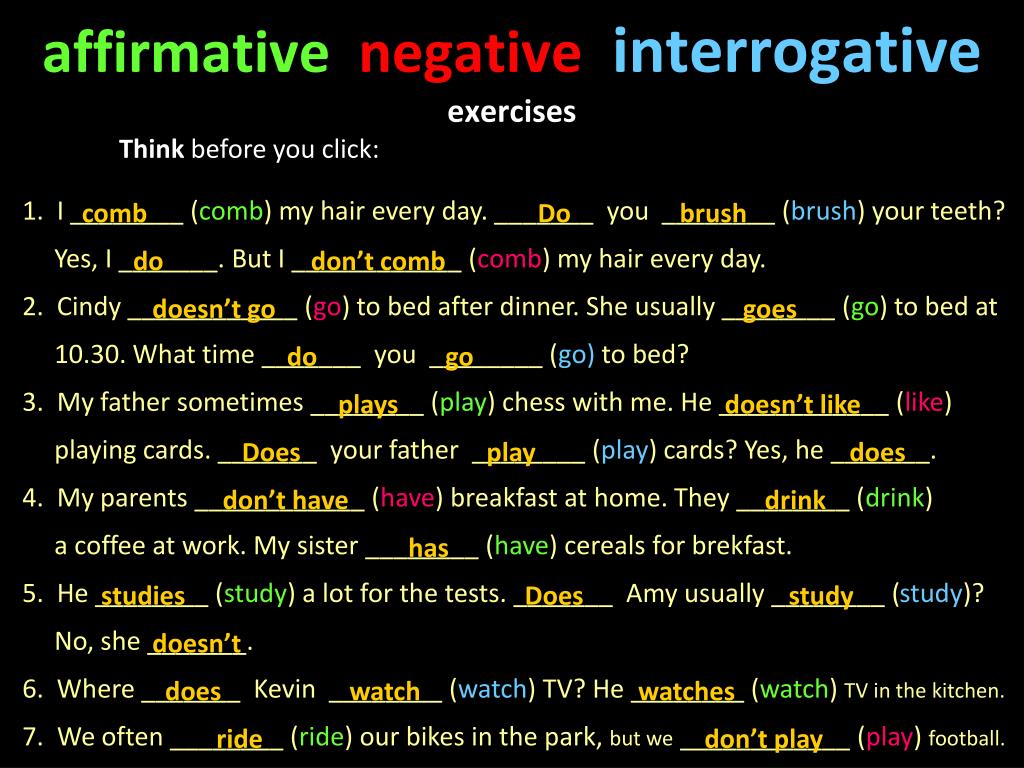
La forma interrogativa de "have to" se utiliza para preguntar sobre una obligación. Utilizamos los auxiliares "do" y "does" para formar las preguntas.
La estructura básica es: Do/Does + Sujeto + have to + verbo en forma base + ? Usamos "do" con los sujetos I, you, we, y they. Por ejemplo: "Do you have to wake up early tomorrow?" Significa "¿Tienes que despertarte temprano mañana?"
Usamos "does" con los sujetos he, she, y it. Por ejemplo: "Does she have to work on Saturdays?" Significa "¿Ella tiene que trabajar los sábados?"

Las respuestas cortas a estas preguntas son "Yes, I do/No, I don't" o "Yes, he/she/it does/No, he/she/it doesn't."
Ejercicios Prácticos
Para practicar, intenta transformar las siguientes oraciones a las tres formas (afirmativa, negativa e interrogativa):
- I have to clean my room.
- She has to finish the report.
- They have to go to the doctor.
Por ejemplo, para la primera oración:
- Afirmativa: I have to clean my room.
- Negativa: I don't have to clean my room.
- Interrogativa: Do I have to clean my room?
Realizar ejercicios de transformación te ayudará a comprender mejor cómo funciona "have to" en diferentes contextos. Presta atención al sujeto y usa el auxiliar correcto ("do/does", "don't/doesn't").
Aplicaciones en la Vida Real
"Have to" se usa constantemente en la vida diaria. Desde horarios de trabajo hasta reglas escolares. Por ejemplo, "Students have to wear uniforms." o "Doctors have to work long hours."
Entender y usar correctamente "have to" te permitirá comunicarte de manera más efectiva y comprender mejor las obligaciones y necesidades en diversas situaciones.