Lean Six Sigma Vs Six Sigma
Six Sigma and Lean Six Sigma are methodologies to improve processes. Both aim for efficiency and quality. But, they have different focuses. Let's break it down.
Six Sigma: Reducing Variation
Six Sigma is about reducing defects. It uses statistics to identify and eliminate the causes of errors. Think of a cookie factory. Six Sigma would help reduce the number of broken or misshapen cookies.
The core idea is to make processes consistent. Less variation means fewer mistakes. A defect is anything that doesn't meet customer requirements.
Must Read
Key Tools: Six Sigma uses tools like statistical analysis, control charts, and hypothesis testing. These tools help pinpoint the root causes of problems.
Example: Imagine a call center. Six Sigma can analyze call times to reduce long waits. It identifies factors causing delays and helps streamline the process.

Lean: Eliminating Waste
Lean focuses on eliminating waste. Waste is anything that doesn't add value to the customer. This could be unnecessary steps, delays, or excess inventory. Think of a pizza restaurant. Lean would help reduce wasted ingredients or unnecessary employee movement.
The goal is to make processes faster and more efficient. By removing waste, you can deliver products or services quicker and cheaper.
Key Tools: Lean uses tools like value stream mapping, 5S (sort, set in order, shine, standardize, sustain), and Kanban. These tools help visualize and eliminate waste.

Example: Imagine a hospital pharmacy. Lean can help optimize the medication dispensing process. This reduces waiting times for patients and frees up staff time.
Lean Six Sigma: The Best of Both Worlds
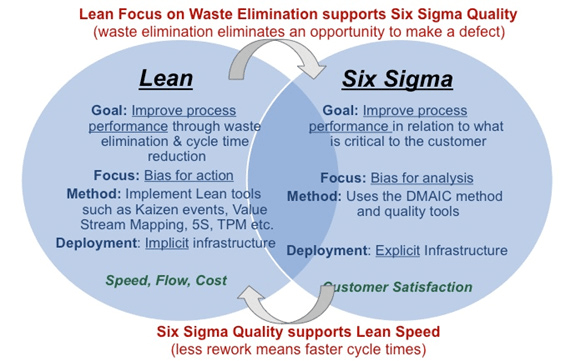
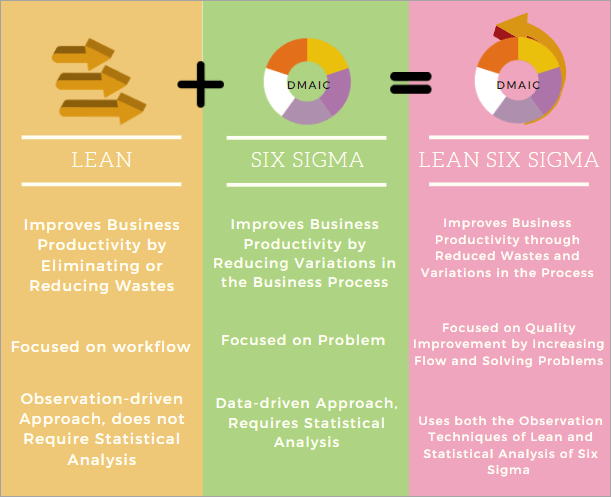
Lean Six Sigma combines the principles of both Lean and Six Sigma. It aims to reduce both waste and defects. It is a more holistic approach to process improvement.
Lean Six Sigma recognizes that often, waste contributes to defects. And reducing defects can also eliminate waste.
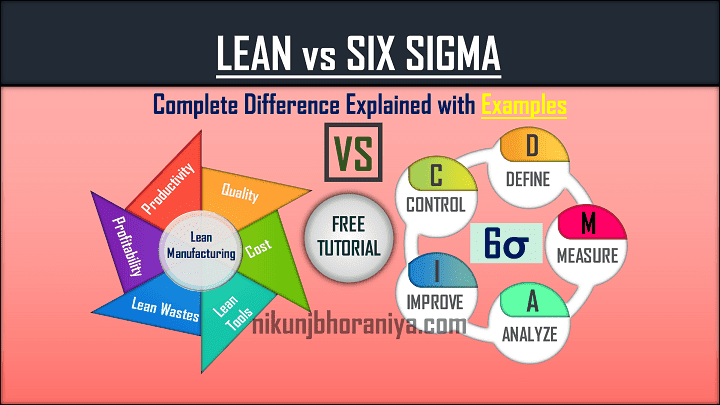
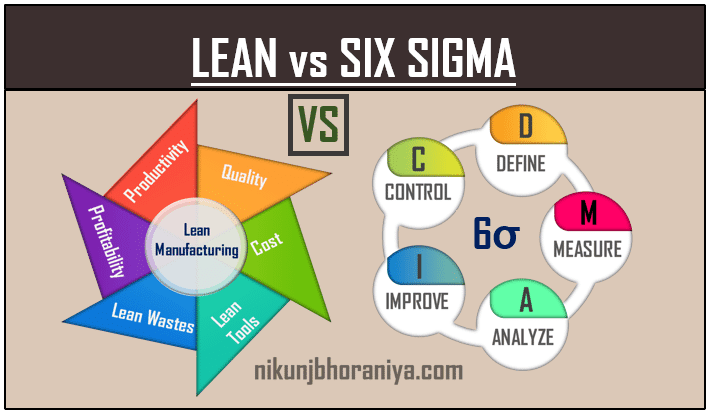
How it Works: Lean Six Sigma projects often follow the DMAIC methodology: Define, Measure, Analyze, Improve, Control. This provides a structured approach to problem-solving.
Example: Back to the cookie factory. Lean Six Sigma would not only reduce broken cookies (Six Sigma) but also minimize wasted dough and unnecessary steps in the baking process (Lean). It analyzes all aspects of the process.

Benefits: Lean Six Sigma can lead to significant improvements in efficiency, quality, and customer satisfaction. It can also reduce costs and increase profitability.
Key Differences Summarized
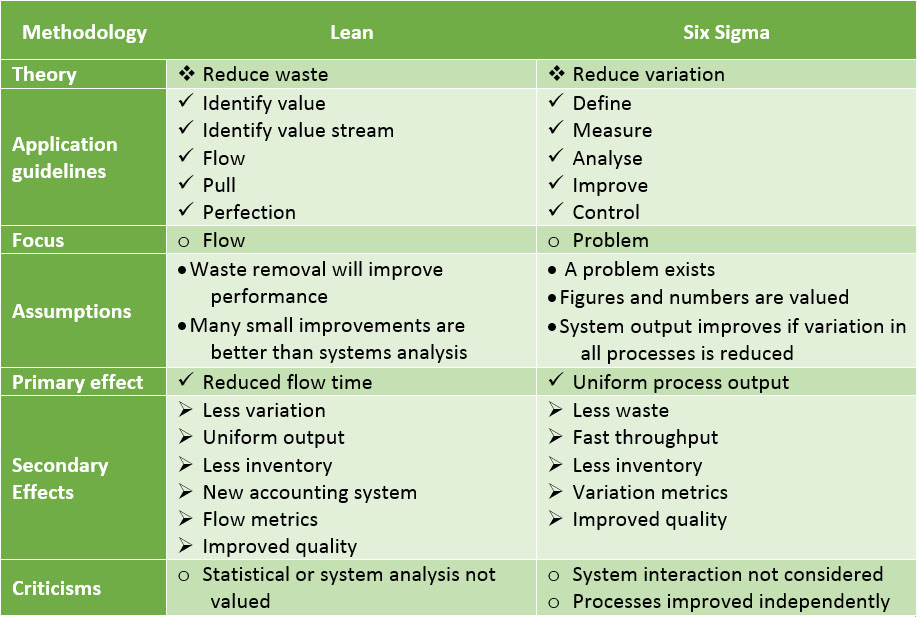
Here's a quick comparison:
- Six Sigma: Focuses on reducing variation and defects.
- Lean: Focuses on eliminating waste and improving efficiency.
- Lean Six Sigma: Combines both approaches for a more comprehensive solution. Addresses both waste AND defects.
Choosing between Six Sigma, Lean, and Lean Six Sigma depends on the specific needs of the organization and the nature of the problems they are trying to solve. However, Lean Six Sigma's holistic approach makes it a popular choice for many businesses.