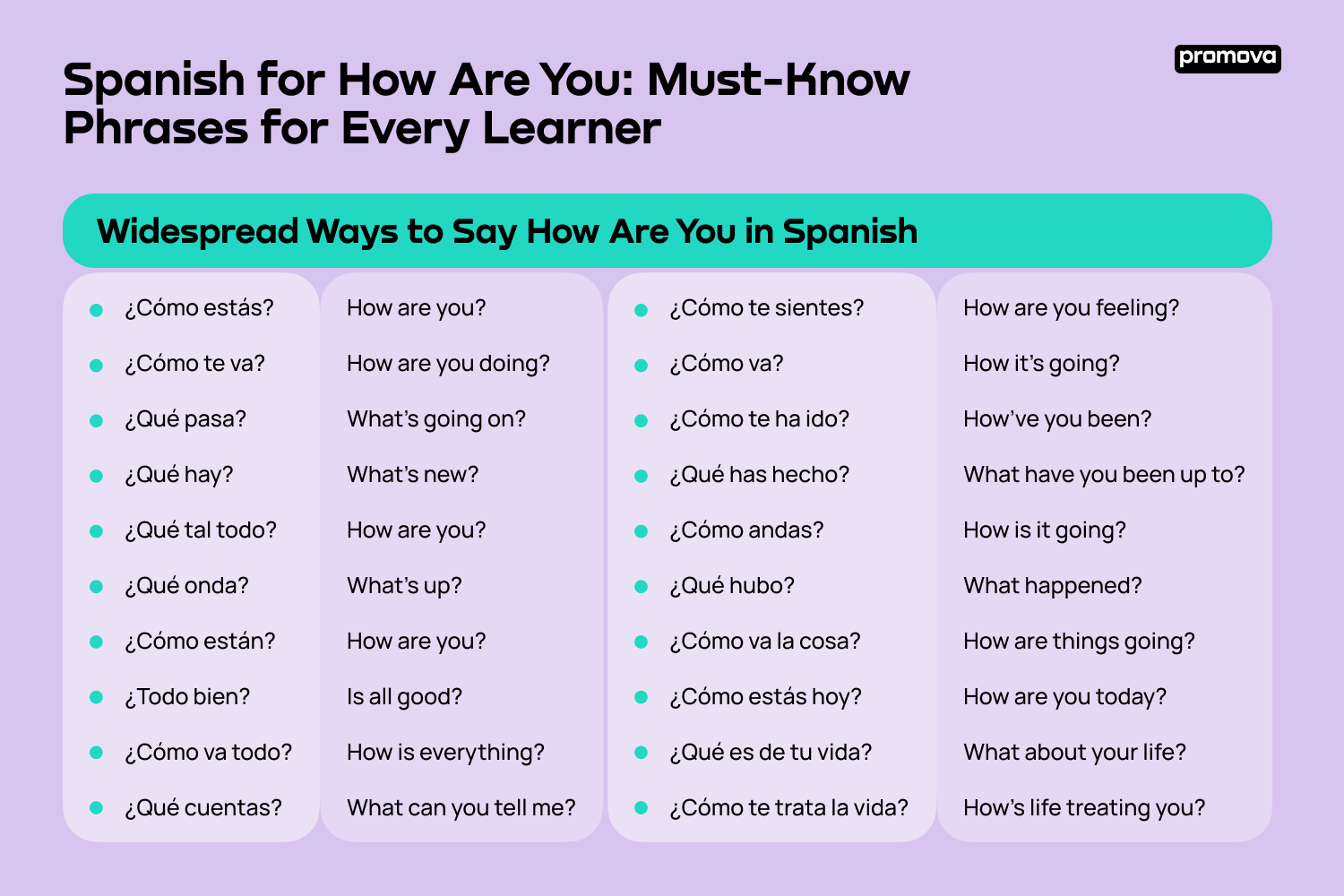
What Are You Doing In Spanish Slang

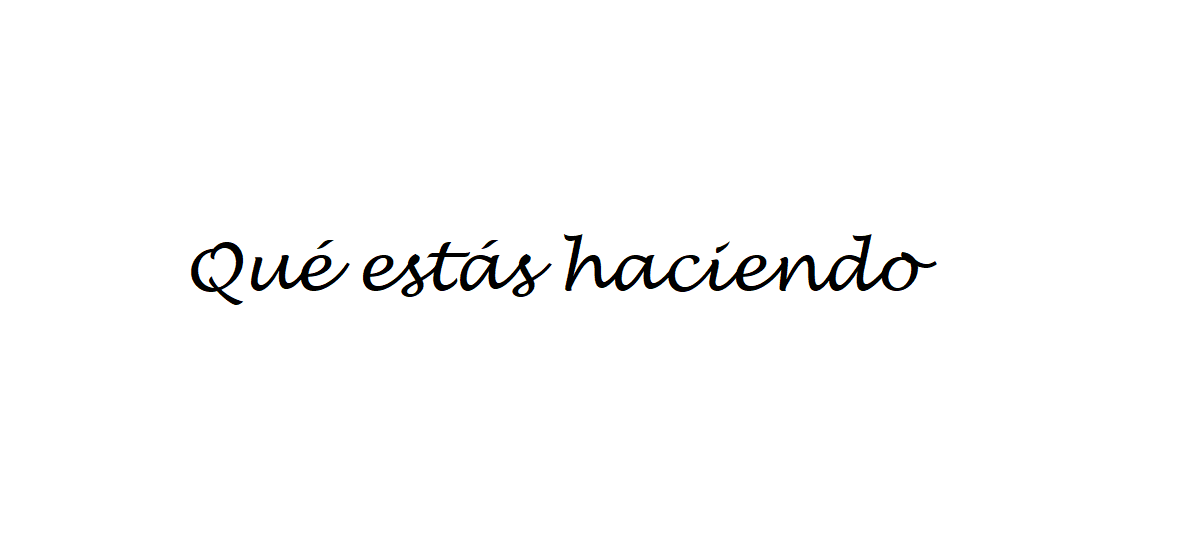
Slang for "What are you doing?" in Spanish goes beyond the standard "¿Qué estás haciendo?". There are many informal ways to ask this question, often depending on the region and level of familiarity with the person you're talking to.
¿Qué onda?
¿Qué onda? is a very common slang term, particularly in Mexico. It literally translates to "What wave?" but its meaning is closer to "What's up?" or "What's going on?".
Example: "Hola Juan, ¿qué onda?" (Hi Juan, what's up?). You can also use it as a greeting. The key is its informality; use it with friends and people you know well.
Must Read
¿Qué rollo?
Similar to "¿Qué onda?", ¿Qué rollo? is another Mexican slang phrase. It translates to "What roll?", but is used to mean "What's up?" or "What's going on?".
Example: "¿Qué rollo con tu fiesta?" (What's going on with your party?). "Rollo" implies a story or situation. Like "¿Qué onda?", reserve this for casual conversations.
¿Qué haces? (Informal Variation)
While "¿Qué estás haciendo?" is the standard way to ask "What are you doing?", ¿Qué haces? is a shorter, more direct version. It's grammatically correct but considered more informal.
Example: "¿Qué haces esta noche?" (What are you doing tonight?). It's appropriate for friends and family.

Regional Variations
Different Spanish-speaking countries have their own unique slang. Here are a couple of examples:
- ¿Qué tal?: This is a very common greeting in Spain and some parts of Latin America. While it translates more literally to "How's it going?", it can also imply "What are you doing?". Example: "¿Qué tal, todo bien?" (How's it going, everything good?).
- ¿Qué pasó?: Common in many Latin American countries, this phrase can mean "What happened?" or "What's up?". It's often used as a greeting, implying "What are you doing?". Example: "¿Qué pasó, amigo?" (What's up, friend?).
Important Considerations
When using Spanish slang, consider the following:
- Context: The context of the conversation will help determine the appropriate slang to use.
- Region: Slang varies significantly from country to country. What's common in Mexico might not be used in Spain.
- Formality: Always be mindful of your audience. Slang is generally inappropriate for formal settings or when speaking to people you don't know well. Stick to "¿Qué estás haciendo?" in those situations.
Learning slang adds color and authenticity to your Spanish. Pay attention to how native speakers use these phrases, and don't be afraid to ask if you're unsure of the meaning or appropriate context.